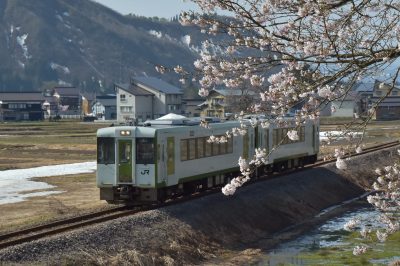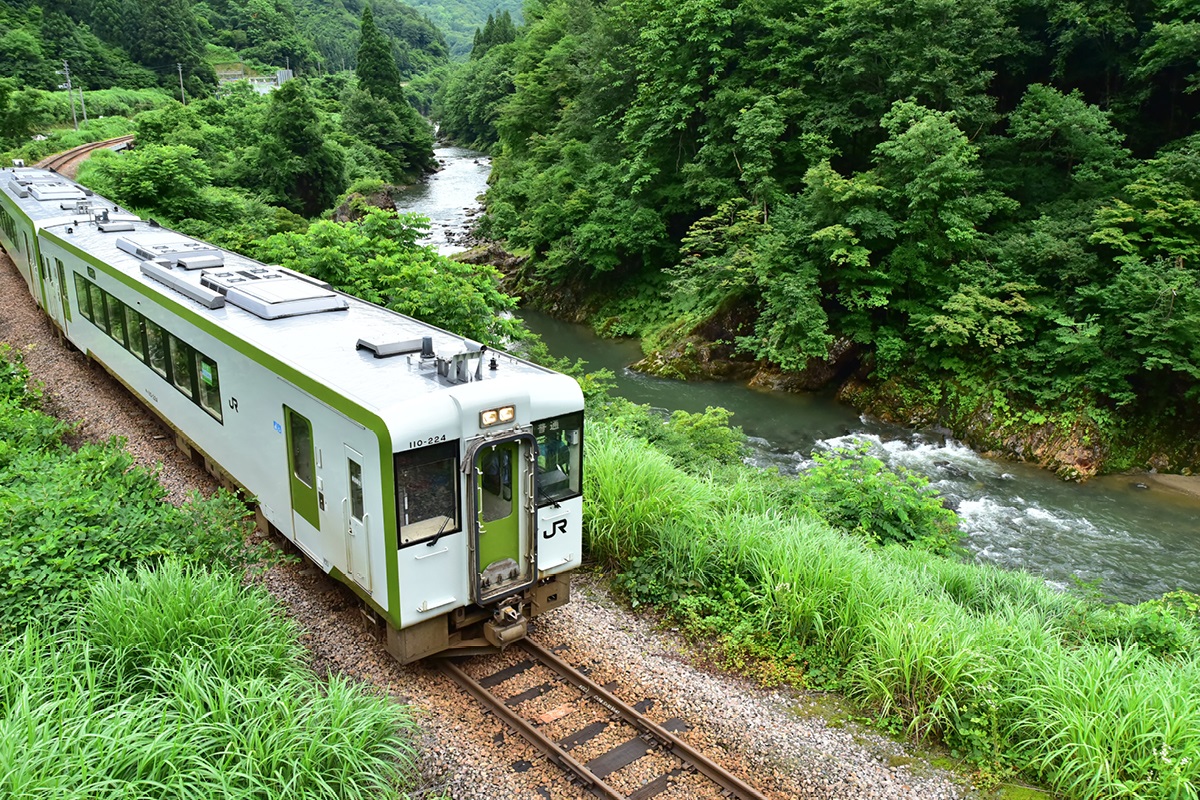
What is the JR Tadami Line?
History of the JR Tadami Line
Current JR Tadami Line
Notes on boarding
On the Niigata side, there are a total of 8 stations! Introducing recommended spots and gourmet foods at each station
2026 Koide Station Front Event Information [Koide NI Oide Marche]
Enjoy the Tadami Line [Board]
Enjoying the Tadami Line [View]
Tadami Line Map
timetable(Revised March 14, 2026)
What is the JR Tadami Line?
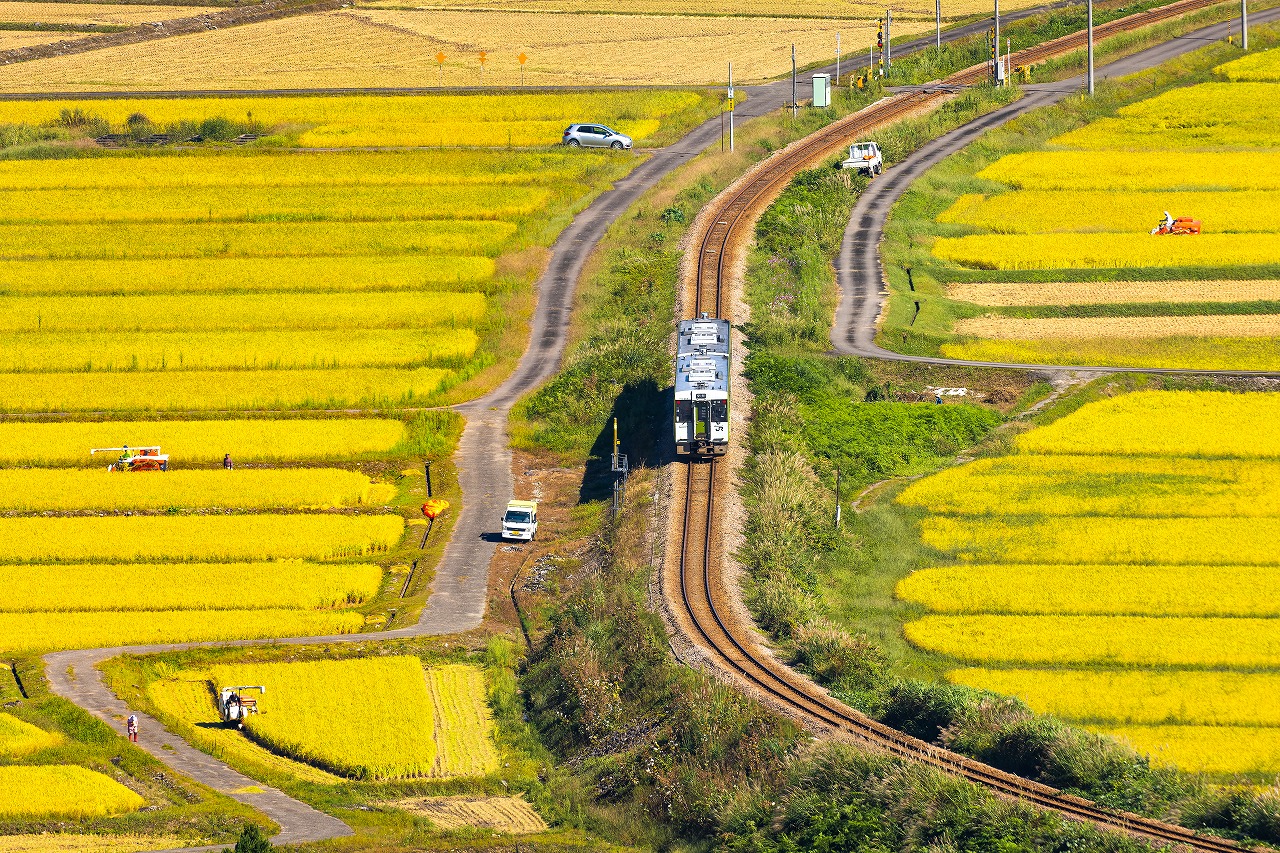
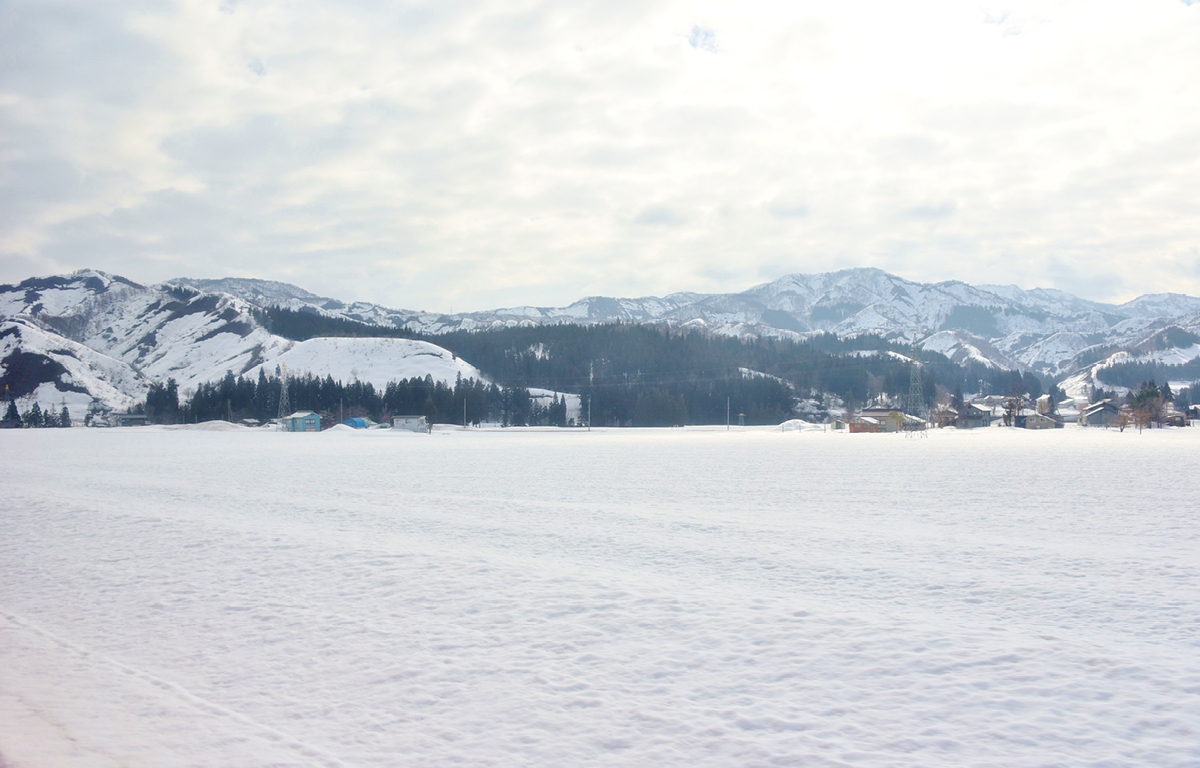
A line approximately 135 km long, connecting Koide Station in Uonuma City, Niigata Prefecture, to Aizuwakamatsu Station in Aizuwakamatsu City, Fukushima Prefecture. This is a scenic and remote route where you can enjoy the countryside of Koshihikari, a specialty of Uonuma, Gongendo Mountain famous for the folktale 'Yasaburobasa,' and the valley of the Hama River from the train window. The vivid autumn foliage and the collaboration of the valley, along with the ink-wash painting-like snowy landscape, are especially must-see.
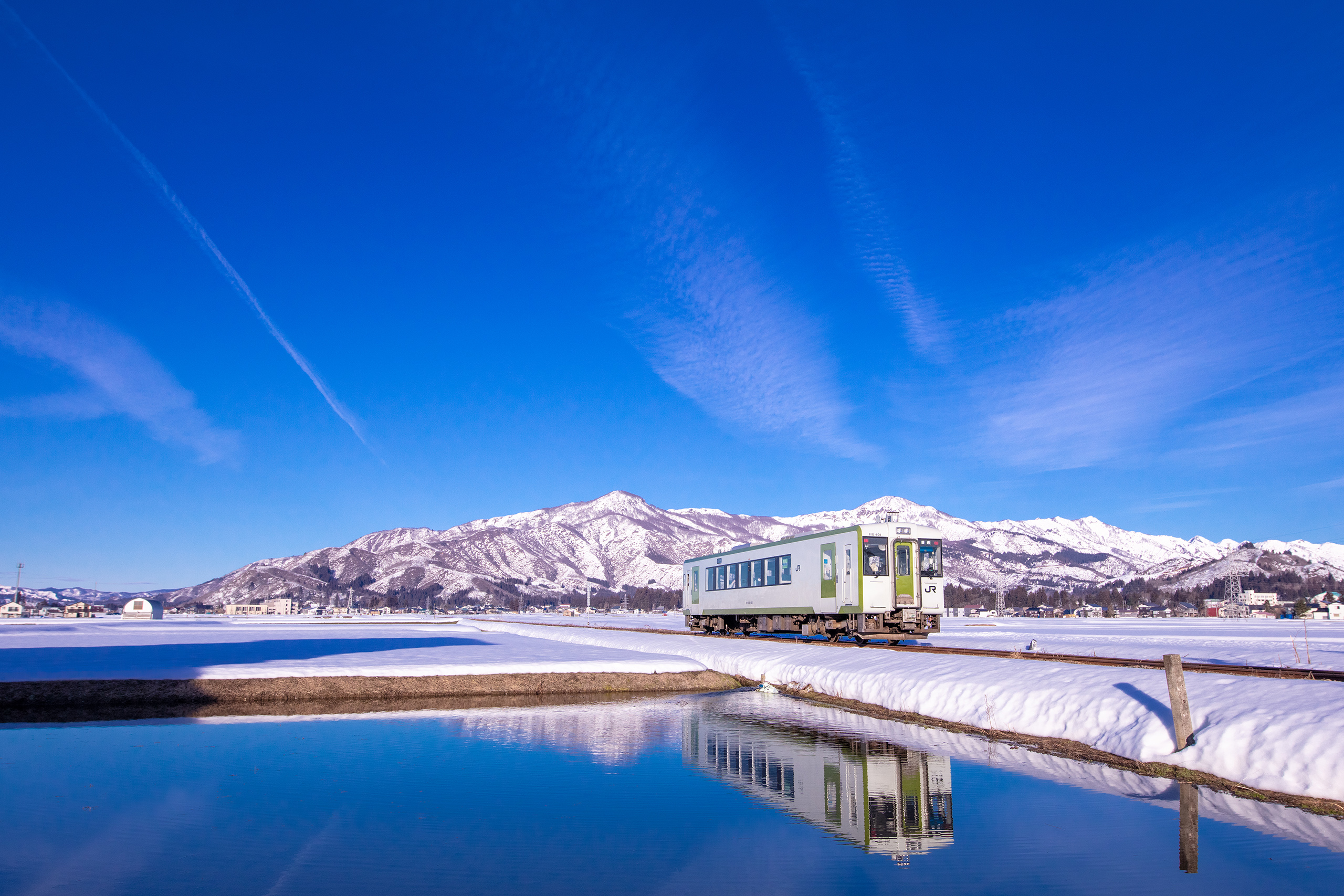
The Tadami Line offers not only views from the train window but also the thrill of seeing both the spectacular scenery and the entire line. Many photographers from all over the country visit to capture this breathtaking view.
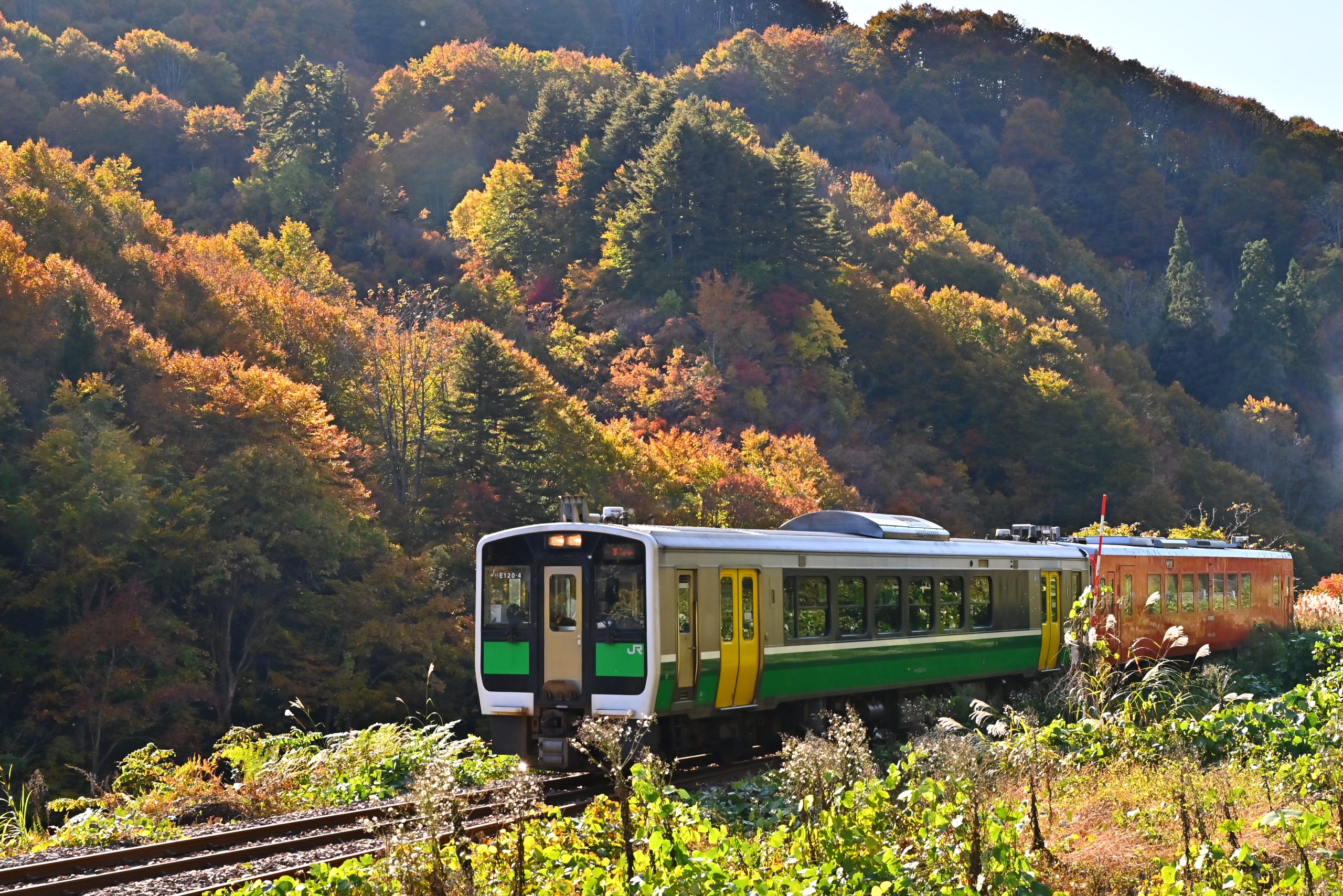
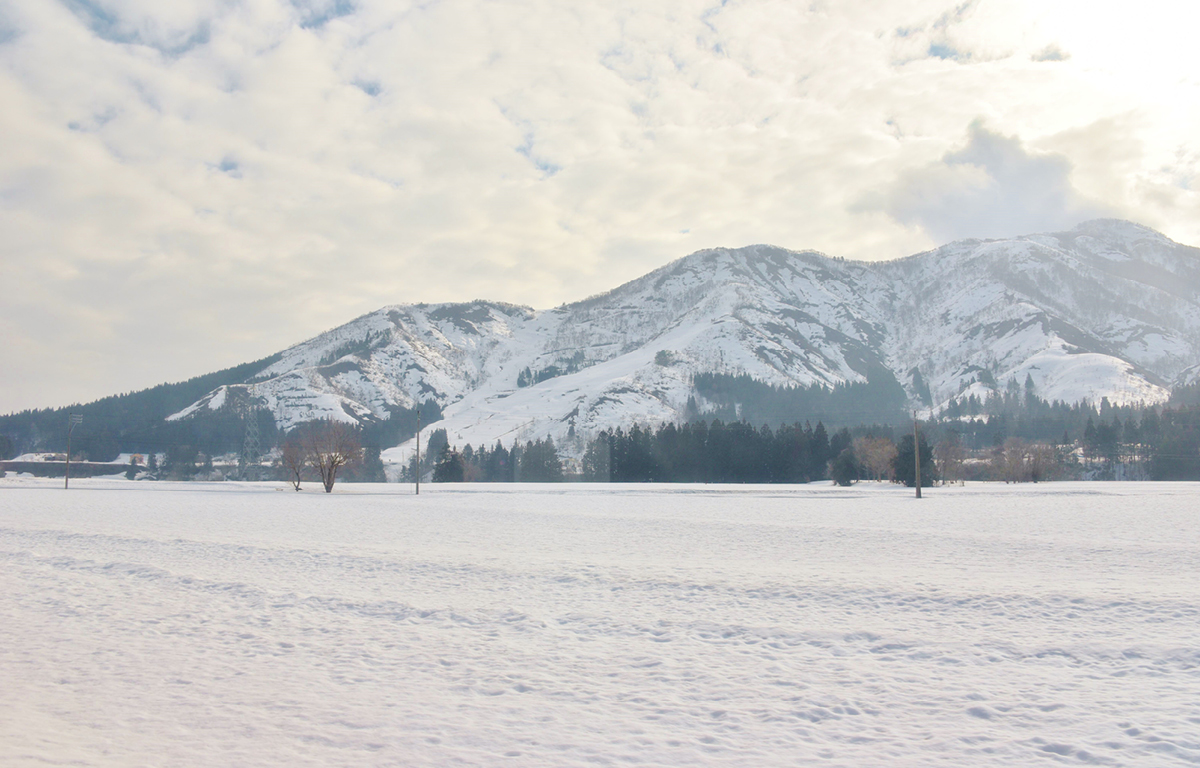
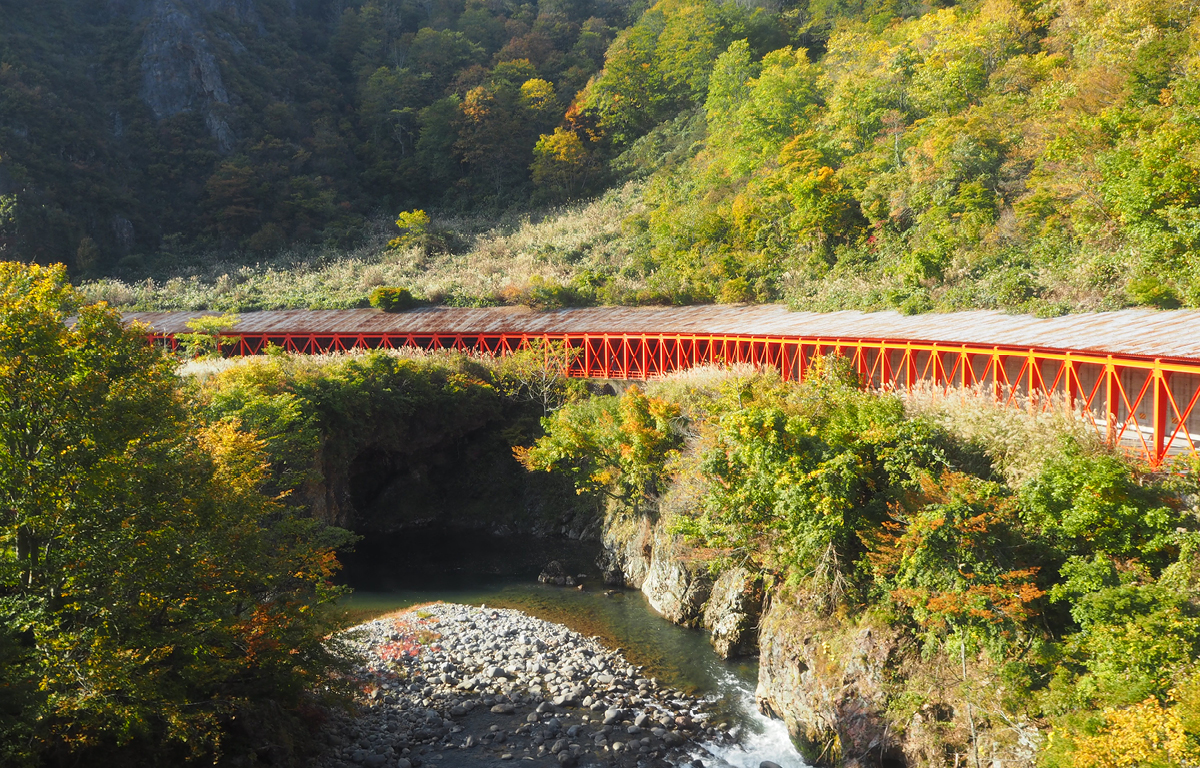
Spring features the beautiful contrast of fresh greenery, lingering snow, and mountain cherry blossoms; summer boasts lush mountain trees and bright red snowsheds; autumn brings the beauty of the Suezawa River valleys and autumn leaves in beech forests; and winter, when the Tadami Line powerfully runs through the snow of Uonuma, one of Japan's heaviest snowfall areas. The charm lies in the breathtaking scenery that you can only experience in each season, making you want to ride it not just once, but multiple times.
History of the JR Tadami Line
The section from Koide Station to Oshirakawa Station opened in 1942 (Showa 17). Its purpose was to transport minerals and timber for the outbreak of the Pacific War. After World War II, it played an important role in transporting materials, timber, minerals, and other cargo used in dam construction, as well as as serving as a means of transportation for people along the line. Subsequently, the entire line from Koide Station to Aizuwakamatsu Station was completed in 1971 (Showa 46). From around this time, private cars became widespread, and transportation methods began to change. In 1973 (Showa 48), National Route 252, running parallel to the Tadami Line, opened, but since the prefectural border section is closed during winter, the Tadami Line is the only transportation option in winter.
Current JR Tadami Line
In 2011 (Heisei 23), the Niigata-Fukushima heavy rain occurred. The Tadami Line was also damaged: the 5th, 6th, and 7th bridges of the Tadami River were washed away between Aizu Kawaguchi and Aizu Oshio, and the trackbed washed away between Aizu Sakamoto and Aizu Yanaizu, resulting in the closure of the Aizu Sakashita ~ Koide section. Afterwards, some sections continued to operate as substitute buses, but on October 1, 2022, the entire line reopened for the first time in 11 years. Currently, it operates as usual between Koide and Aizuwakamatsu.
Notes on boarding
There is no Midori no Madoguchi ticket office at Koide Station, which serves as the Tadami Line departure and arrival point.
At the ticket machines at Koide Station, you can only buy tickets for up to 100 km (Aizu-Miyashita Station) within a JPY1790 minute range.
If you plan to get off at Aizumiyashita Station ~ Aizuwakamatsu Station, please pay the fare using the following methods.
~How to Pay Fares~
Method (1) Purchase your ticket in advance at a station with a 'Midori no Madoguchi ticket office'
Method 2: Buy a ticket for JPY1790 (Aizu-Miyashita Station) at the Koide Station ticket machine, and pay the rest either on the train or at a staffed station. If you want to go to the last stop, settle at Aizu-Wakamatsu Station.
Also, the entire Tadami Line operates with one-man operation.
If you are unsure, please check the boarding method and the fare payment method on the train in advance.
For more details→ Information on boarding and alighting one-man cars at stations without station staff (JR website)
On the Niigata side, there are a total of 8 stations! Introducing recommended spots and gourmet foods at each station
On the Niigata side, there are eight stations in total, from Koide Station to Oshirakawa Station on the Fukushima border. Here are some recommended stop-by spots around each station.
<Koide Station>
◇ For information on parking lots around Koide Station, click here
◇ Click here for a walking map around Koide Station
◇ Using Noruto Uonuma (weekdays only) is also recommended for sightseeing in the Koide area! Click here for more details
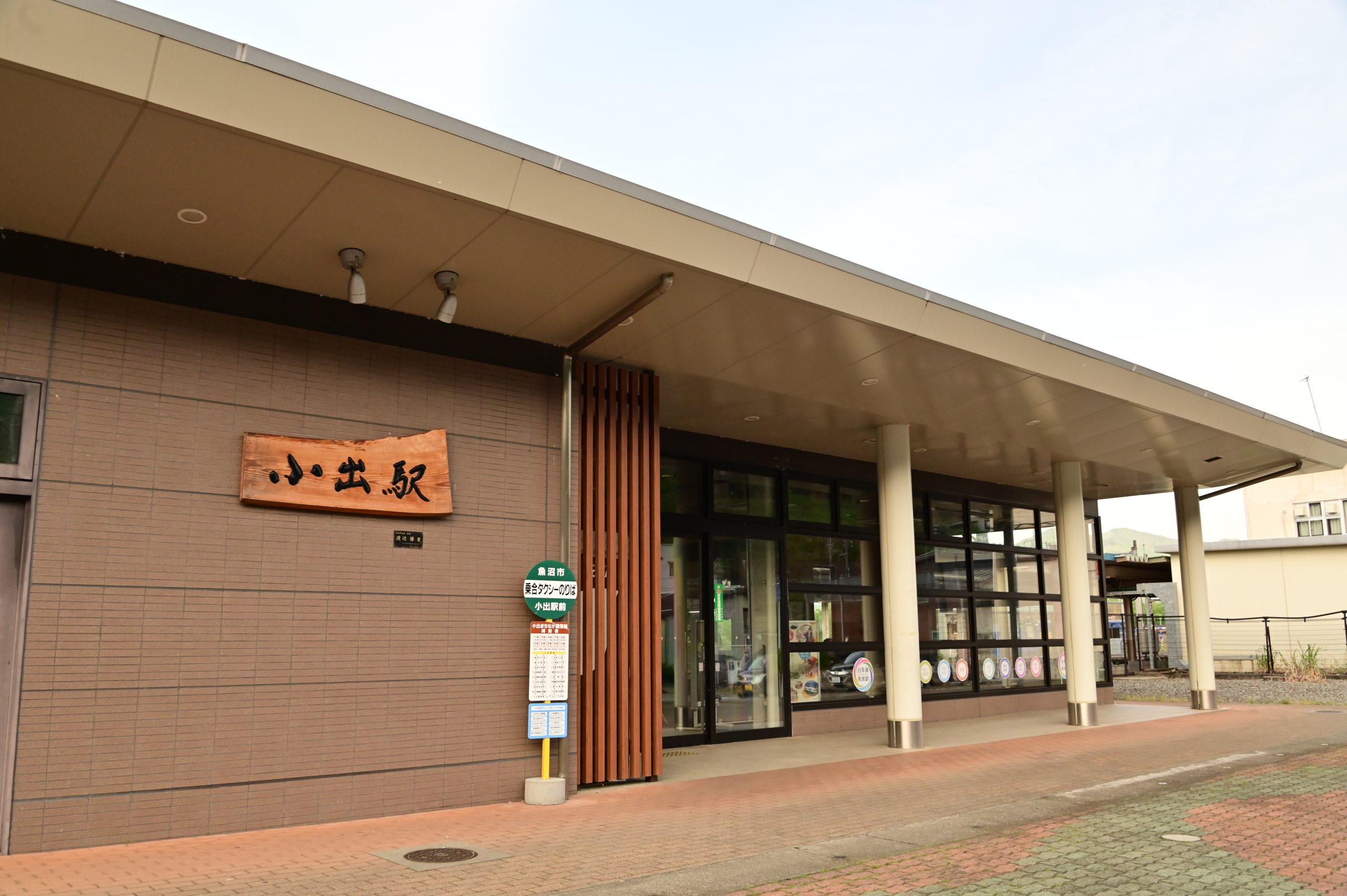
The waiting room at Koide Station also offers city walking maps and brochures about Uonuma City. Please pick it up and take a look.

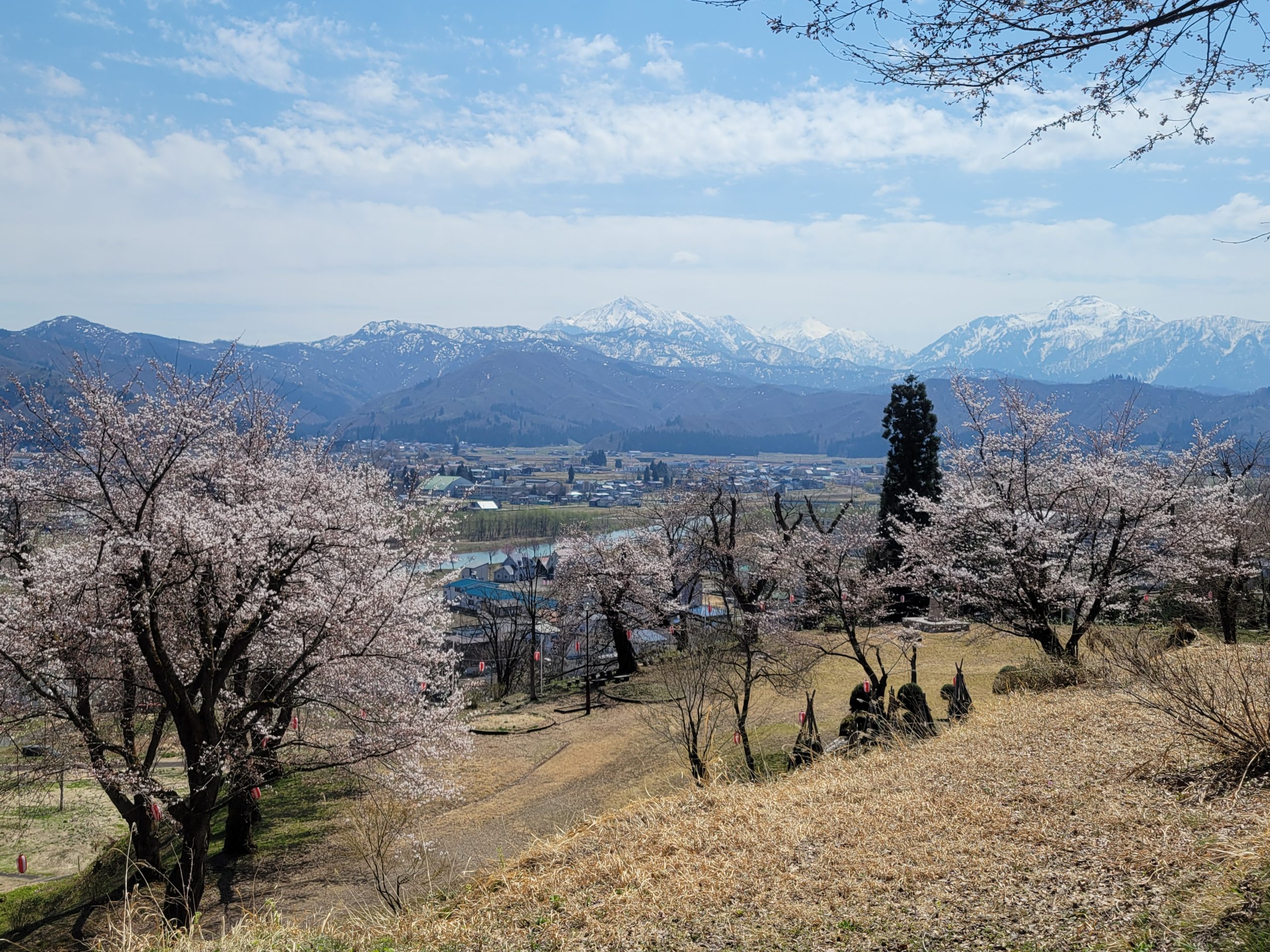
- Koide Park / About 10 minutes on foot from Koide Station
Koide Park boasts beautiful spring cherry blossoms and offers a panoramic view of the city. This is a viewpoint where you can see the Echigo Sanzan mountains in the distance.
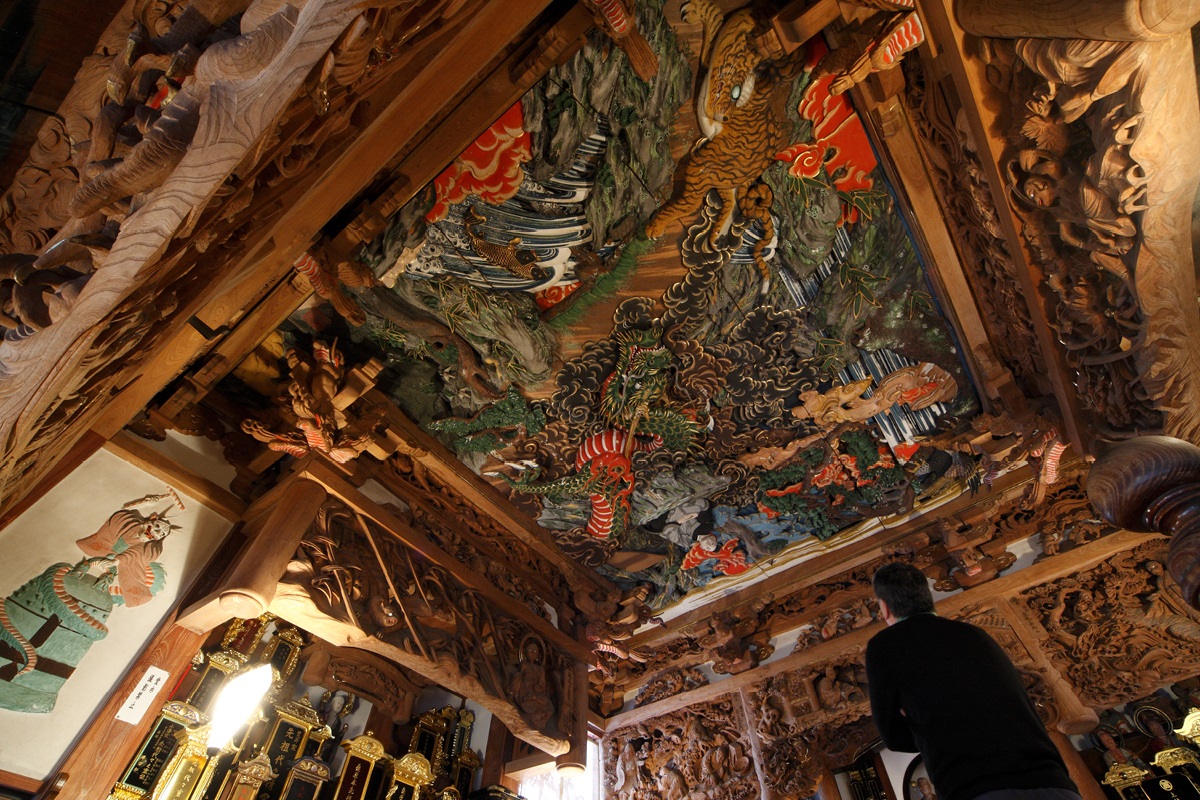
- Saifukuji Temple (Kaizando) / Take the local bus from Koide Station to the 'Mushino Kamiguchi' bus stop, get off there, then walk about 15 minutes
The Kaisando Hall, known as 'Echigo Nikko,' features numerous sculptures, paintings, and stucco crafts created by the master craftsman Uncho Ishikawa from the late Edo period. Please enjoy the vivid, colorful works just as they were back then.
- JR Koide Station Front Rental Bicycle
Since it's an electric-assist bike, long-distance travel is easy. Why not travel while feeling the wind and fragrance of Uonuma?
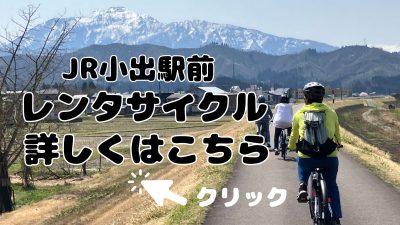
Love bicycles! Here is the report from the tourism association staff.
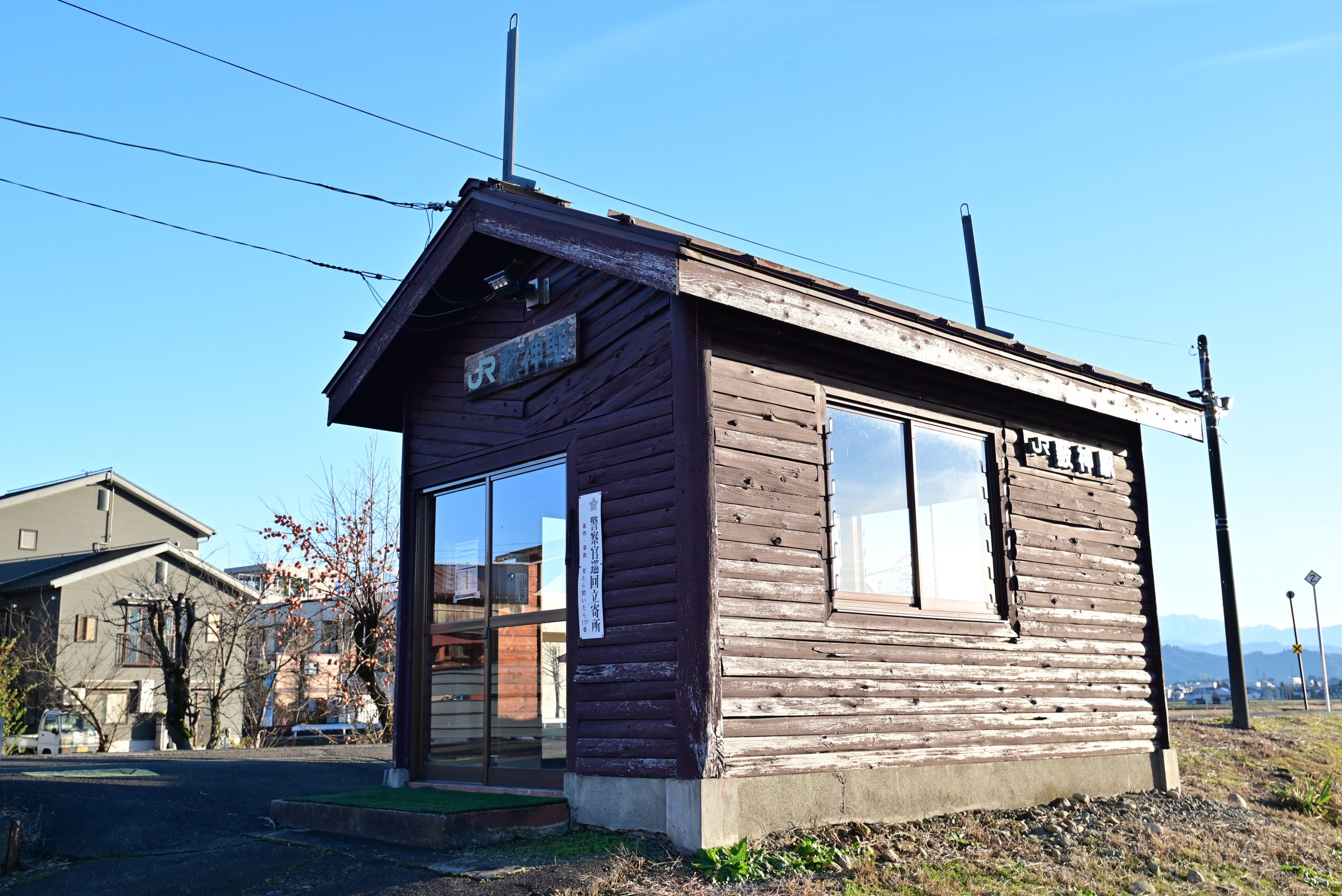
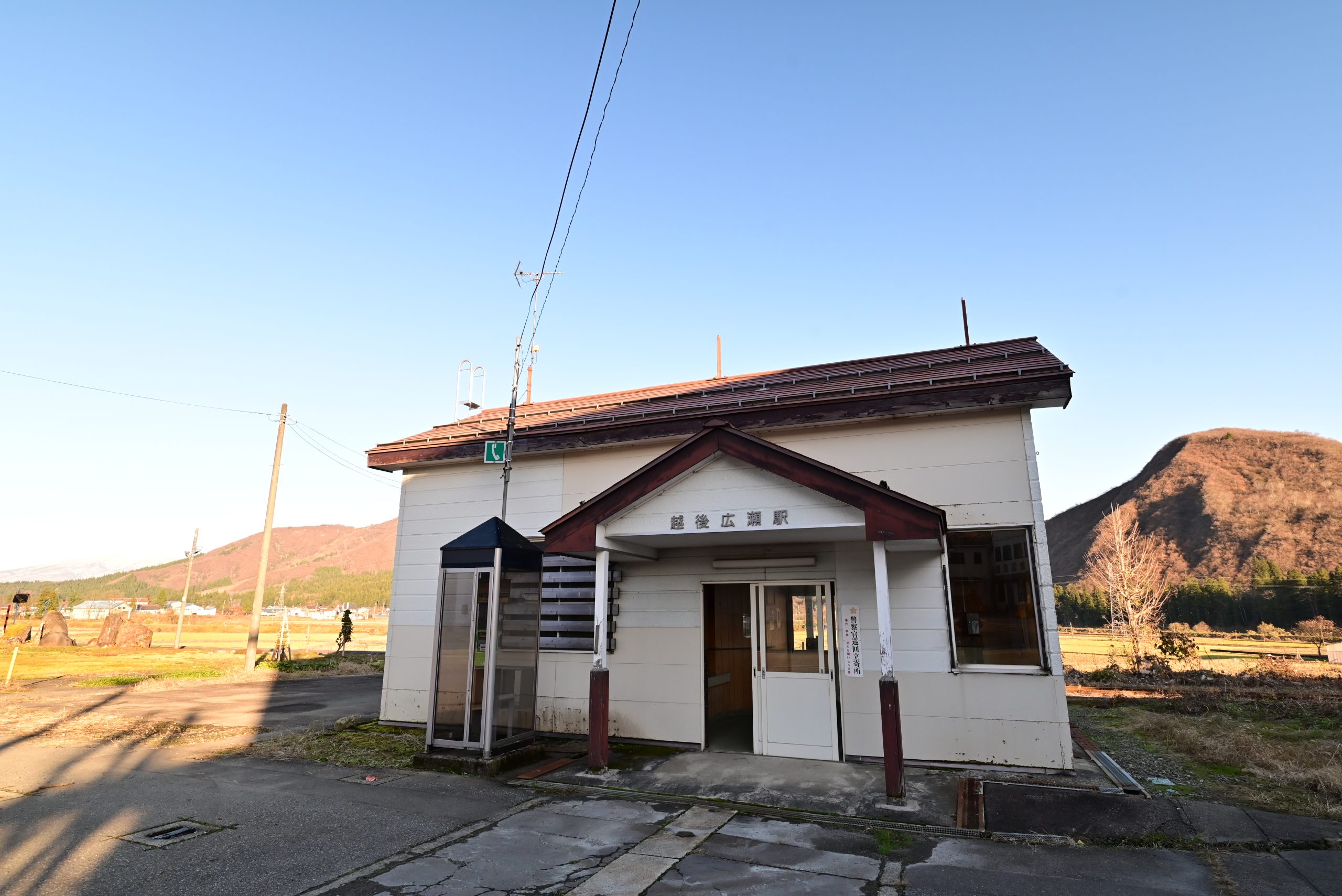
<Yabukami Station>
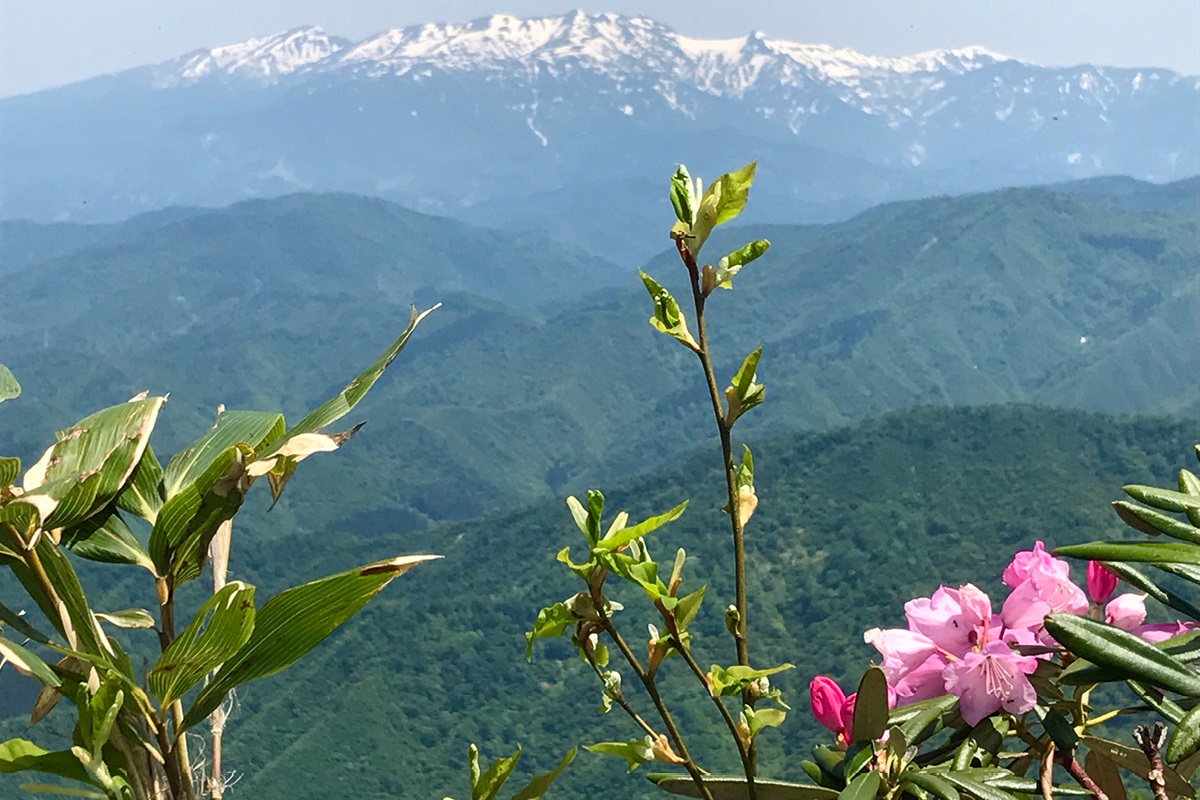
- Gongendo Mountain / About 10 minutes by car
This mountain consists of two peaks, Shimogongen and Kamigongen, and is known in the old tale as 'Yasaburoba.' During the lingering snow season, fresh green beeches, azaleas, and azaleas are beautiful, and the autumn foliage from September through late autumn is also a recommended mountain for climbing.
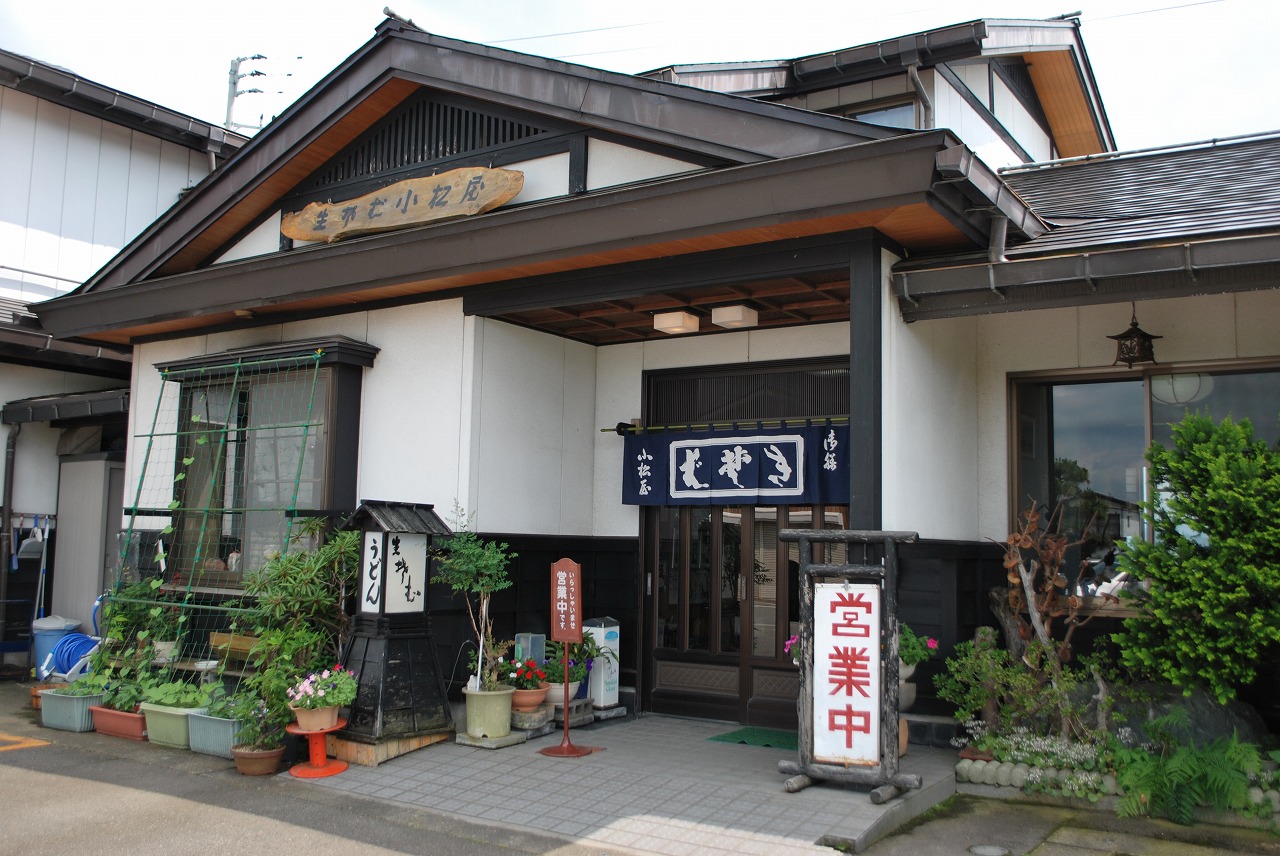
- Nama Soba Komatsuya / About 10 minutes on foot
Komatsuya is particular about the grinding method, grinding slightly coarser. The soba was a bit thick and very satisfying. The 'Hegi Assorted Platter,' which includes soba and udon, is also highly recommended!
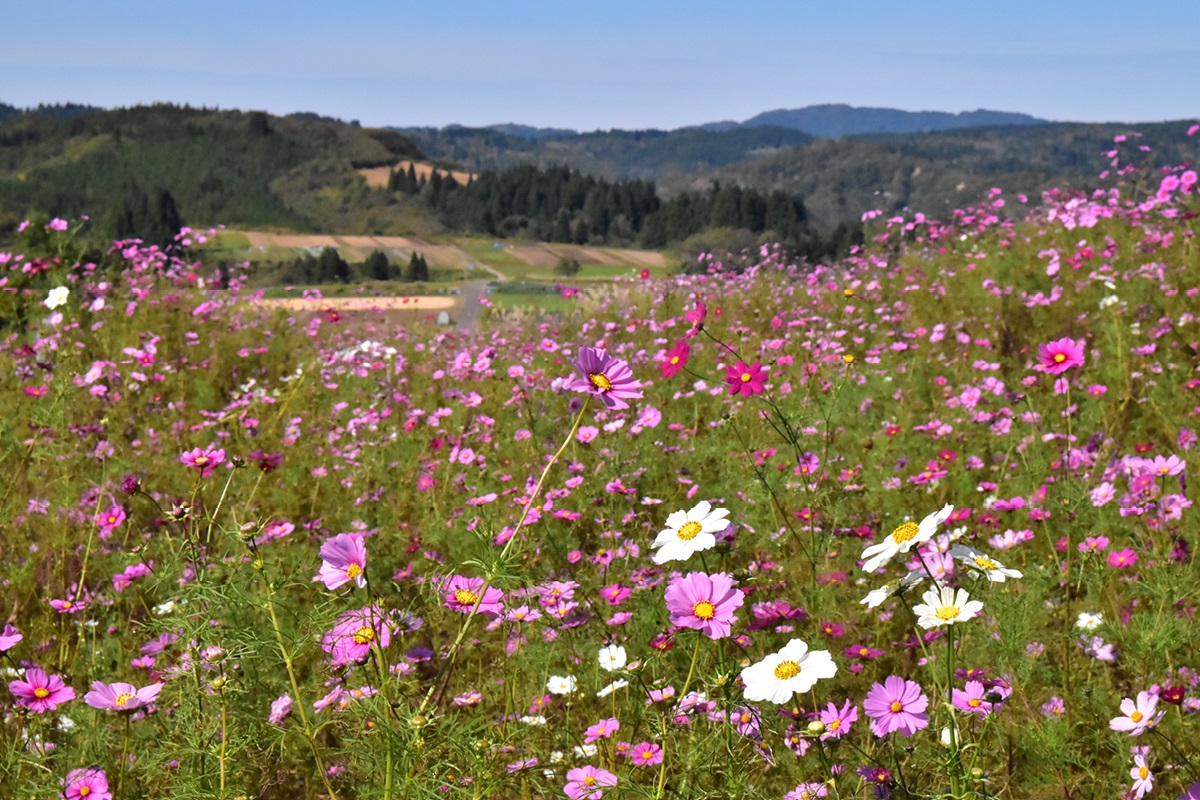
- Uehara Cosmos Garden / About 10 minutes by car ・ About 35 minutes on foot
Every year, from early September to mid-October, the vast highlands are covered in vibrant cosmos bloom. From the hilltop, you can see the city at a glance, and in the distance, a spectacular panorama of Mount Gongendo and the Echigo Sanzan spreads out—a breathtaking spot. The fields of Doko Highlands and the single road leading to the plateau are also recommended photo spots.
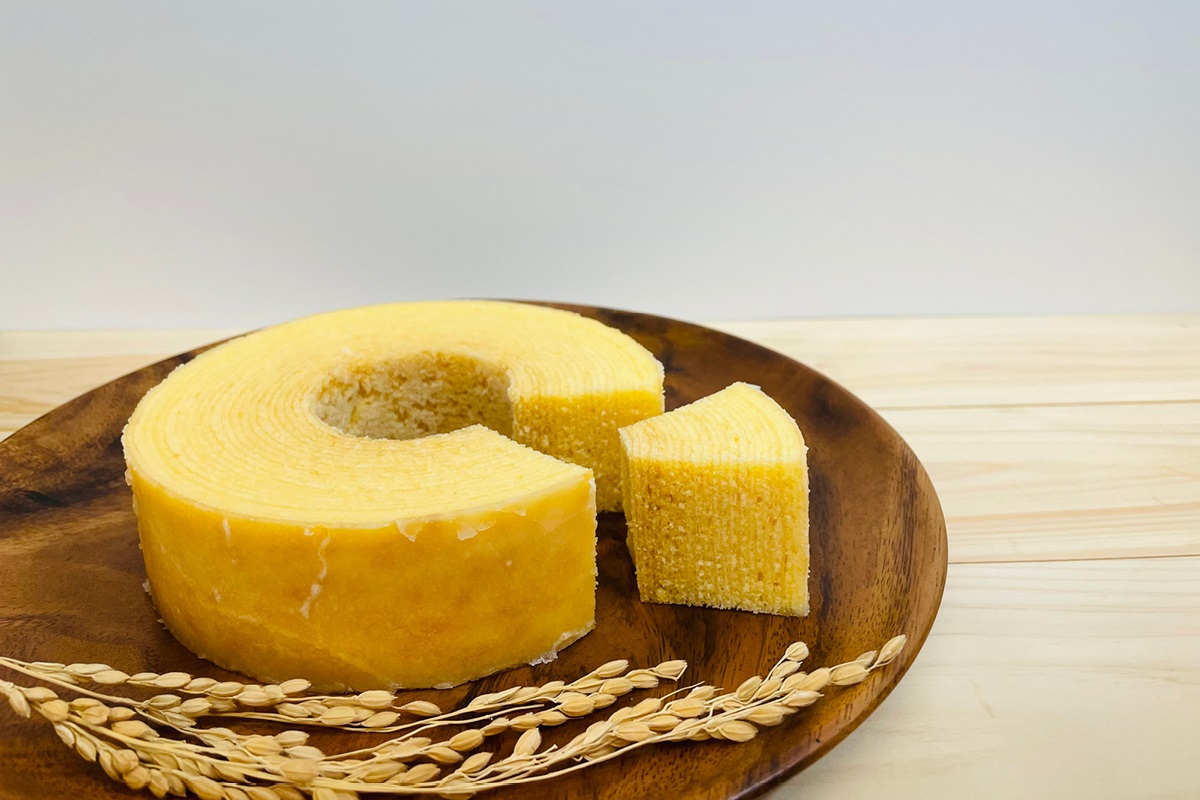
- Okashi Kobo Marumiya / About 10 minutes on foot
SouvenirUonuma sweets are also recommended as souvenirs. A selection of heartwarming sweets made with carefully selected ingredients is lined up. Among them, the Baumkuchen 'Uonuma Tree,' made with rice flour from Koshihikari from Uonuma, is perfect as a souvenir.
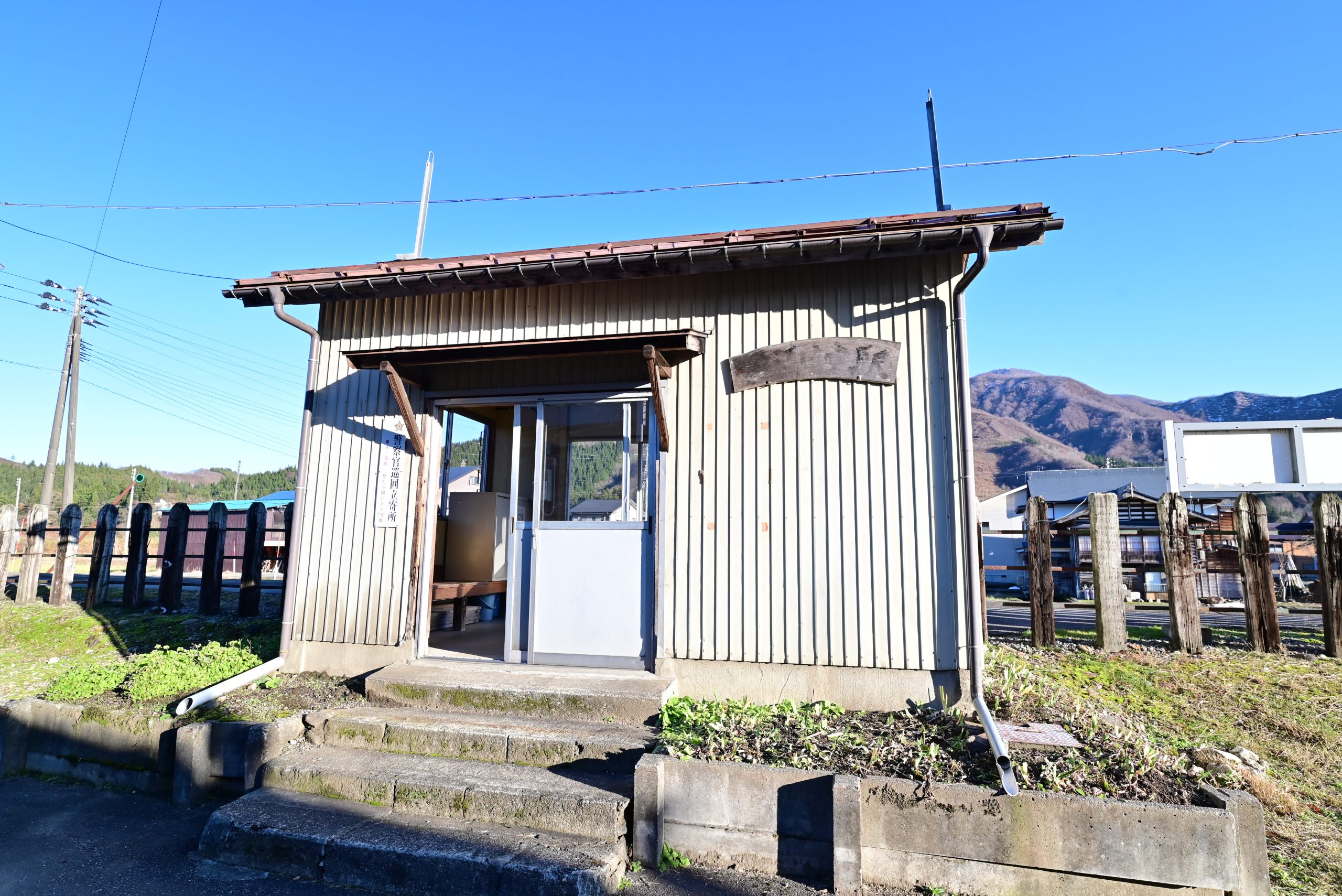
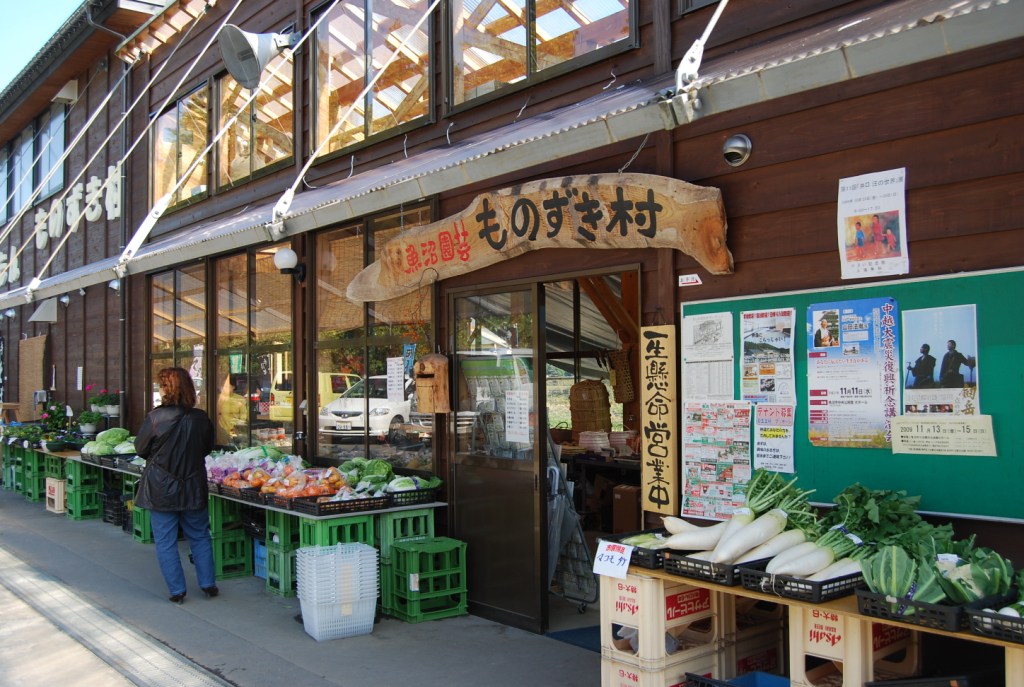
- Monozuki Village / Soba Shop Gentan / About 10 minutes on foot
This is a shop where you can buy freshly harvested local vegetables, mountain vegetables, rice, and more. Many of the staff are good at hospitality and conversation, so you can enjoy shopping while chatting and having fun, which is one of its attractions. The soba at the attached soba shop uses only locally produced buckwheat flour and is very popular.
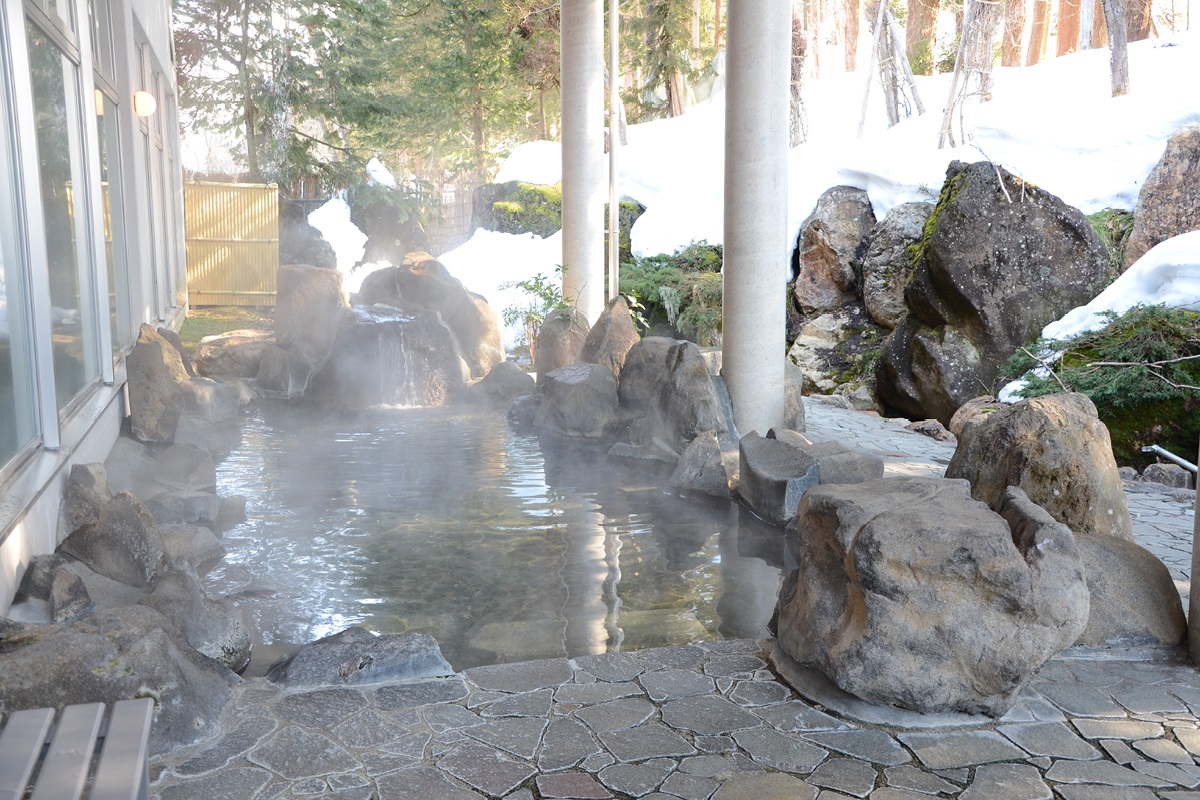
- Kamiyu Onsen Club / About 25 minutes on foot
A hot spring said to have hosted the gods living in the nearby mountains. It features a spacious large public bath, jacuzzi, sauna, and open-air bath, making it enjoyable for both Accommodation stays and day-use baths. There are also relaxation rooms and rest areas (dining areas), so why not take your time to soothe your fatigue and enjoy a delicious meal?
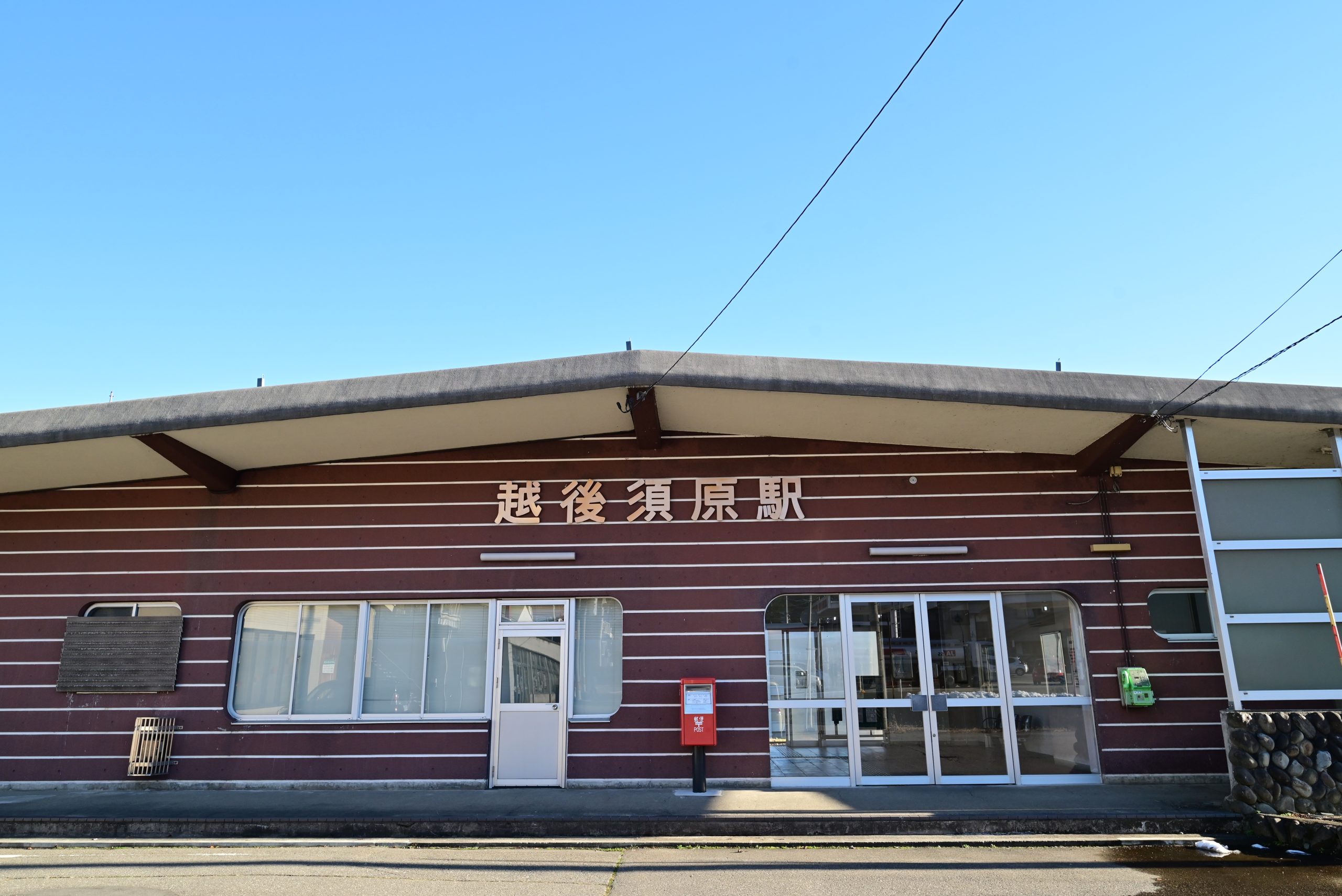
< Echigo-Suhara Station>
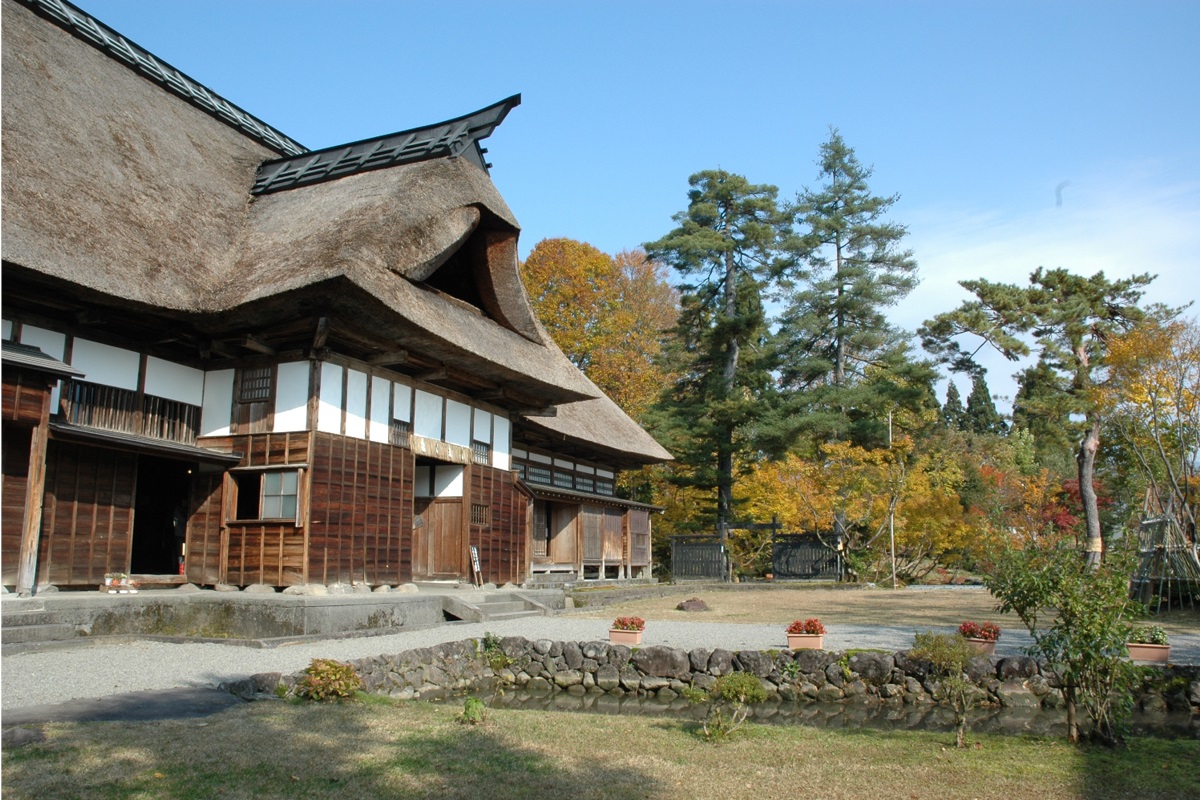
- Meguro Residence / About 3 minutes on foot
The Warimoto village headman's mansion, designated as an Important Cultural Property of Japan, was built over five years. It is housed as a medieval samurai mansion, and nearby are the Folk Culture Museum and the Meguro Residence Museum.
- Echigo Yukikura Hall / About 5 minutes on foot
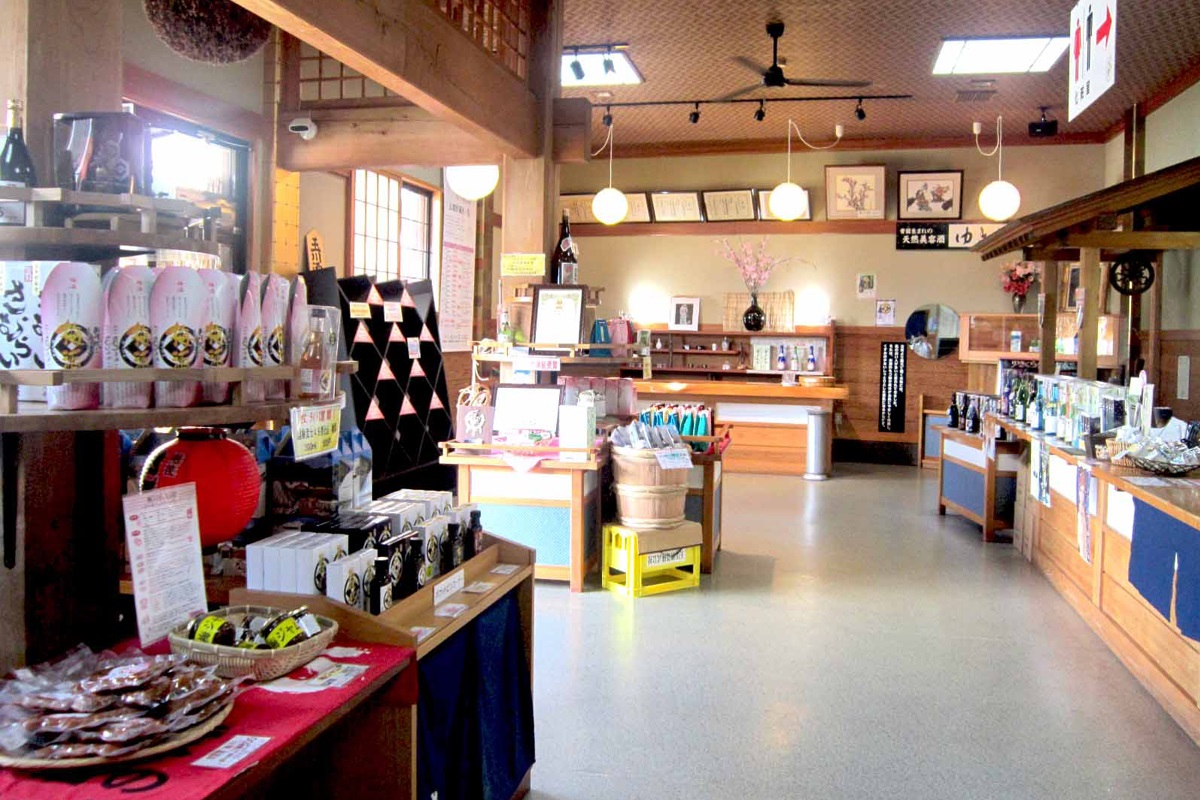
Tamagawa Sake Brewery, founded by the head of the Meguro residence, which is designated as an Important Cultural Property. You can tour sake breweries, including the natural refrigerator 'Yukikura' made with snow unique to heavy snowfall regions. Inside the building, there is not only a tasting corner but also foods made with sake lees, such as ginjo sake.
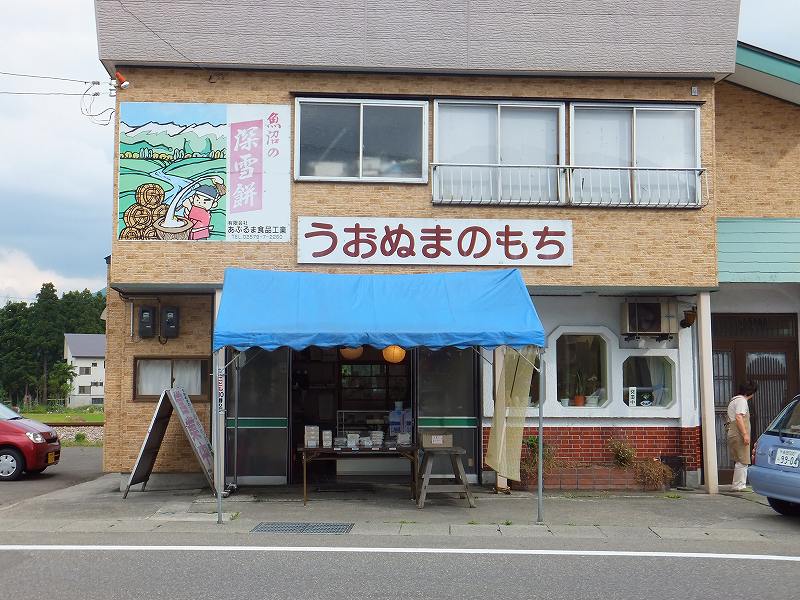
- Aburuma Food Industry / About 3 minutes on foot
This shop is popular for its mochi made using homegrown glutinous rice 'Kogane Mochi,' which the owner has carefully cultivated. Nationwide shipping is also available.
- Sumondake (Hokure Trailhead / Futakuchi Trailhead) / About 20 minutes by car
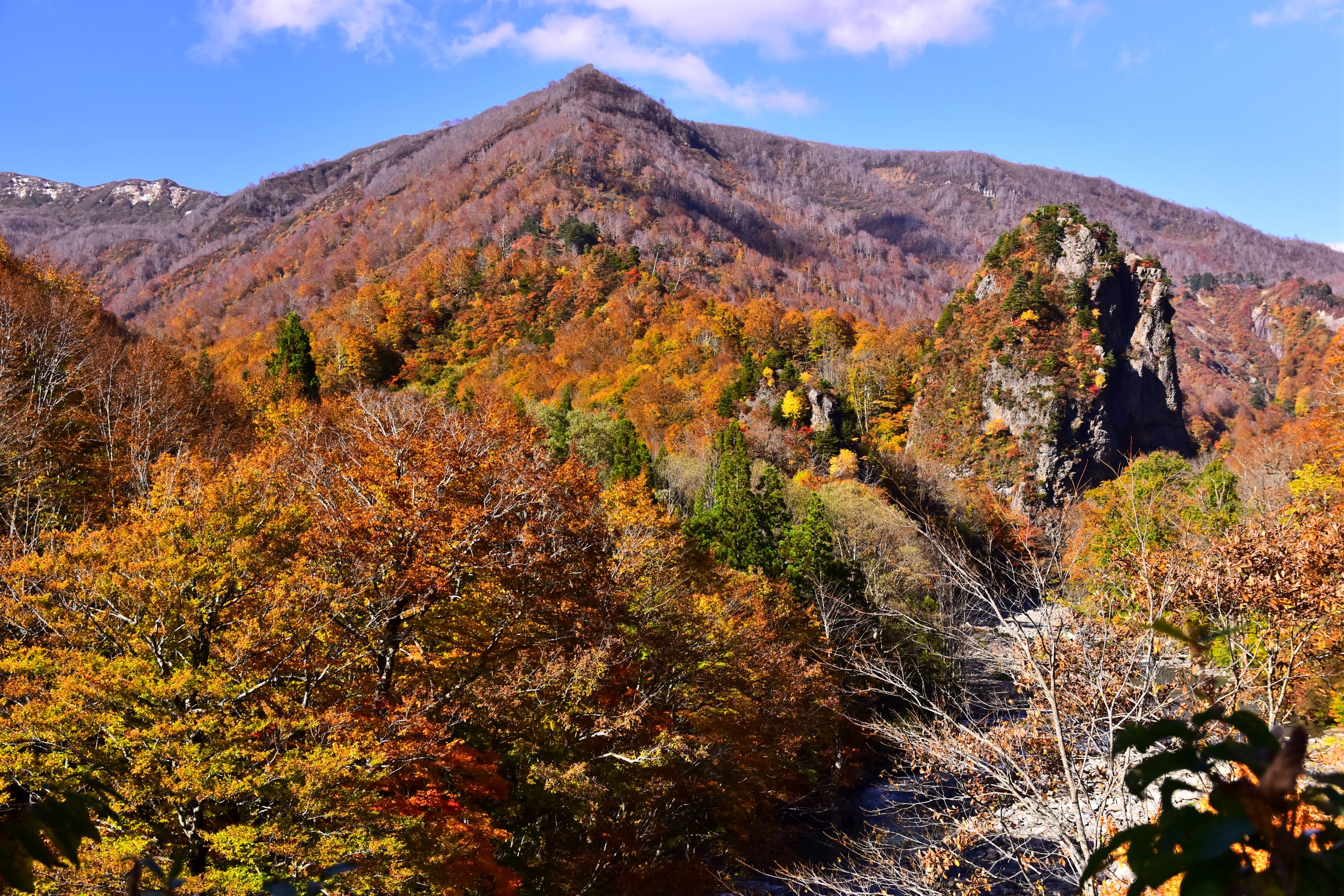
Mount Sumon, with Hakama-dake as its main peak, is one of Echigo's famous peaks, consisting of three peaks: Seiun-dake and Odake. Alpine plants such as Himesayuri, Nikko Kisuge, and Shirane-ae can also be seen. Below, the Echigo Plain spreads out, with Sado Island in the distance, and the famous mountain ranges such as Asakusa-dake and the Echigo Sanzan towering in the background captivate mountaineering enthusiasts.
< Irihirose Station>
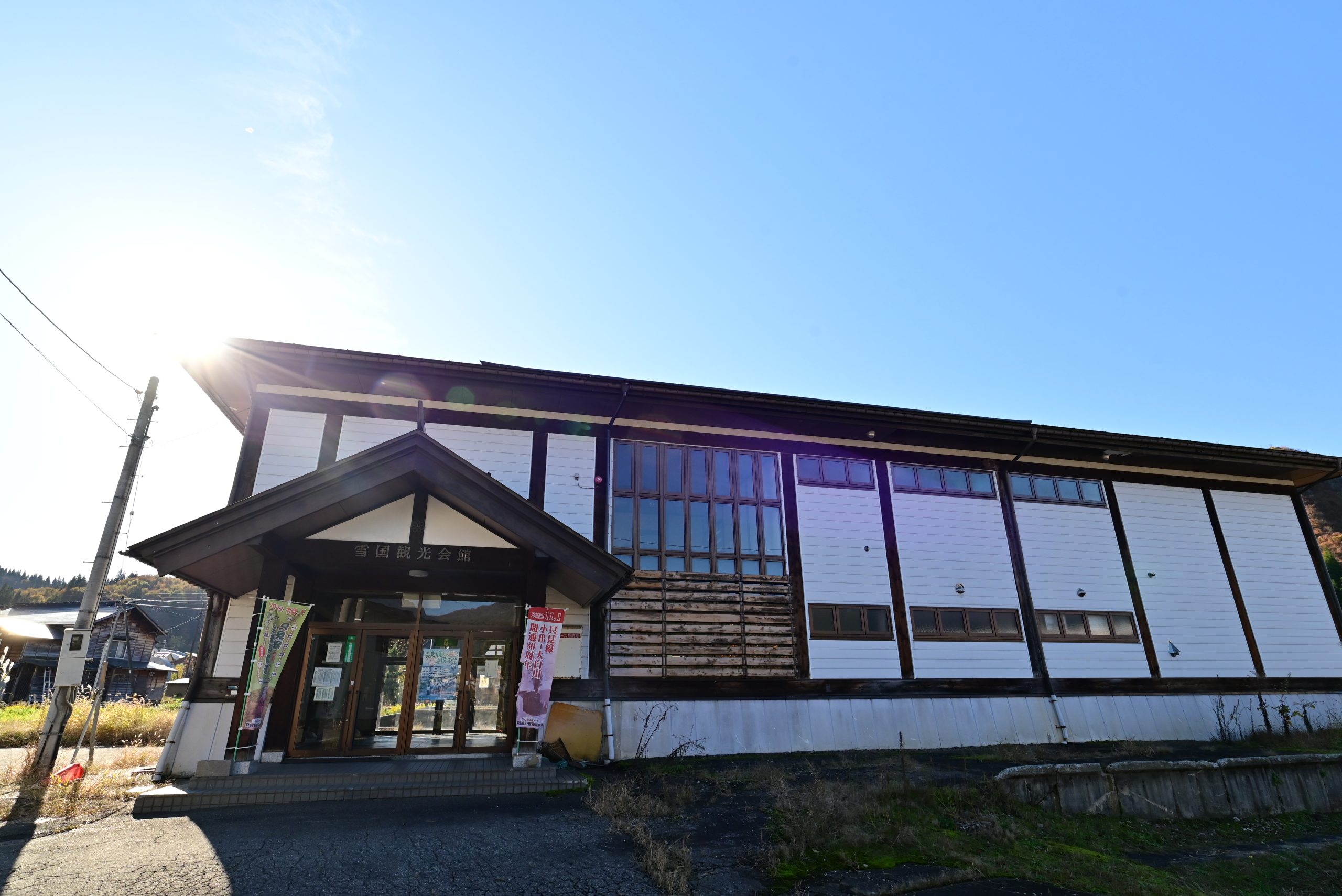
- Roadside Station Irihirose / About 15 minutes on foot
This roadside station is packed with spring mountain vegetables, summer vegetables, autumn mushrooms, and fresh items. Famous dishes like goppo soba and Koshihikari rice balls cooked in a rice pit are exquisite. Nearby is Kagami Pond, a place associated with the legend of a goddess, which reflects the surrounding scenery like a mirror.
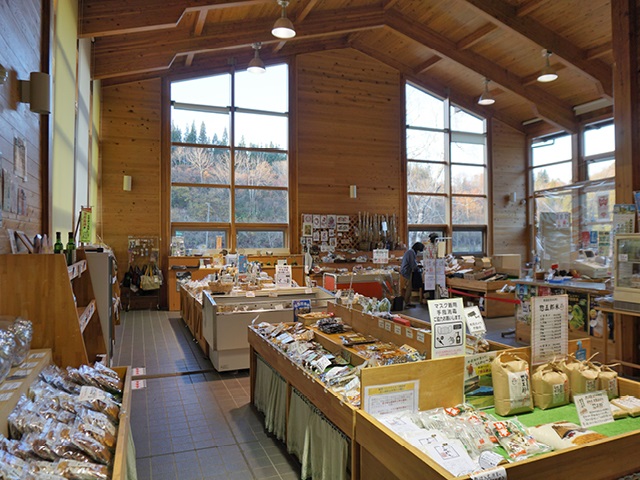
- Kotobuki Onsen / About 10 minutes on foot
This is a Day-use Hot Springs located in a quiet mountain area. In fiscal year 2023, the old open-air bath building was renovated. An indoor bath, sauna, and multipurpose toilet were added, making the facility barrier-free and compact.
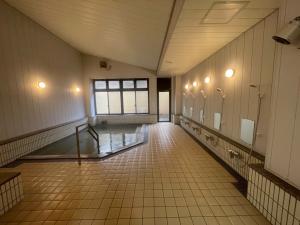
- Echigo Herb Koen Irihirase / About 10 minutes by car
Surrounded by various herbs and flowers throughout the seasons, you can enjoy views of Uonuma. This spot offers a variety of activities in nature, such as camping, barbecues, tree climbing, and herb picking.
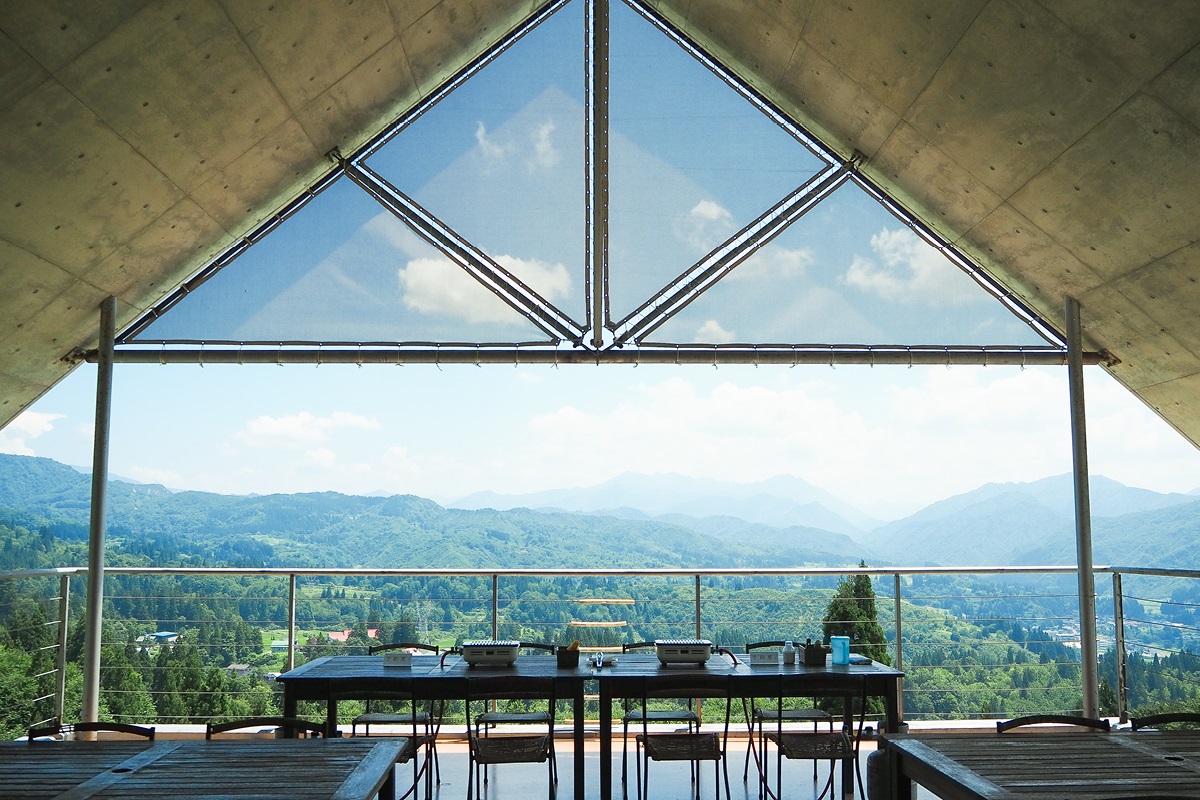
< Oshirakawa Station>
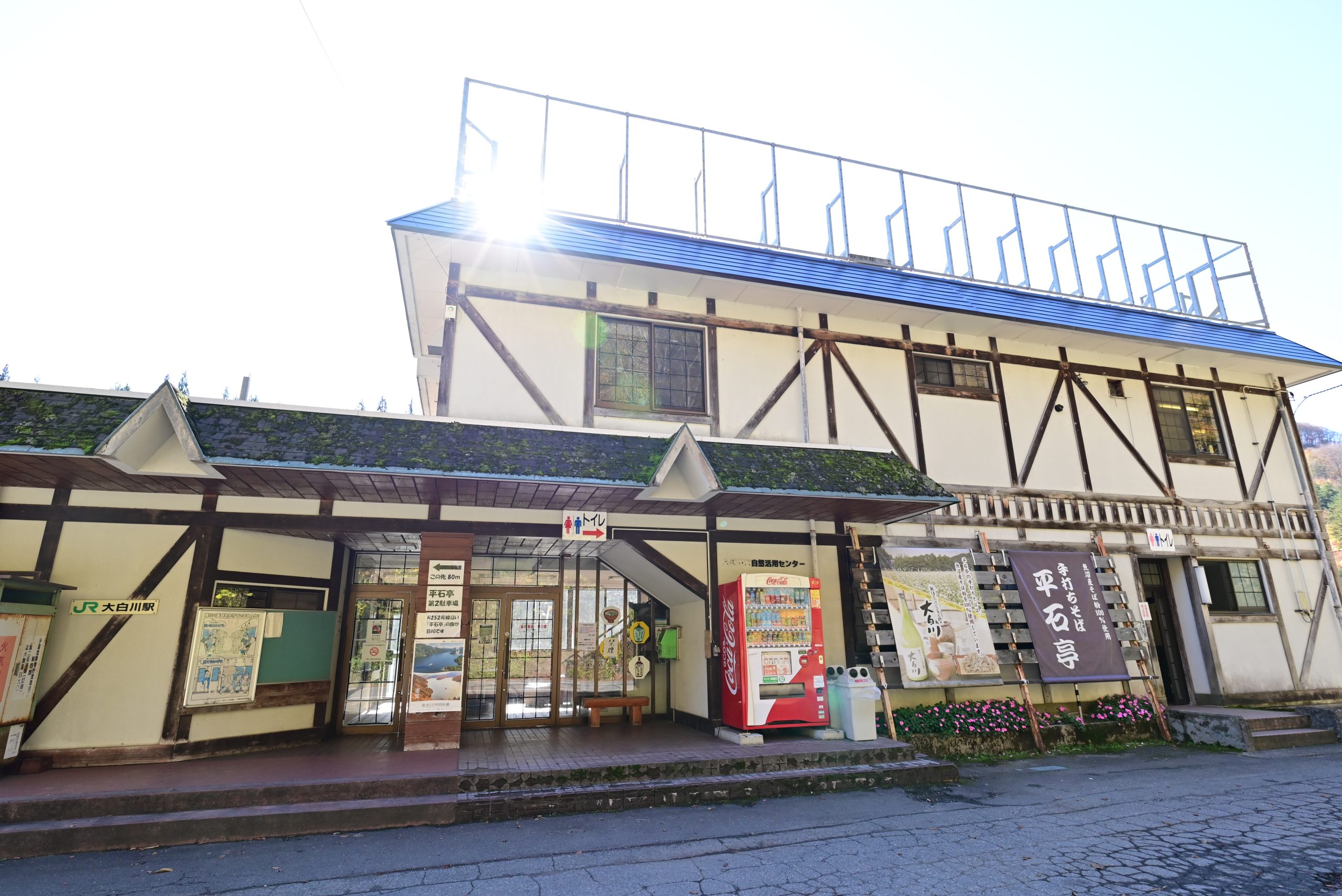
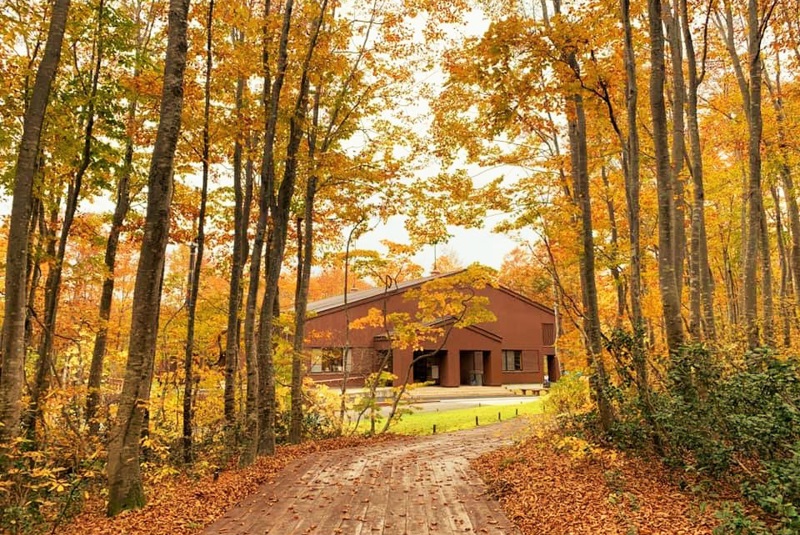
- Niigata Prefectural Asakusa Sanroku Eco Museum / About 20 minutes by car
An eco-museum that makes use of the rich nature at the foot of Mt. Asakusa in the Echigo Sanzan Tadami Quasi-National Park. You can enjoy nature, animal observation, and trekking in areas such as beech forests and swamps of Japanese shogun. Some areas are paved with chip (wood chips) without steps, making it an environment where wheelchair users can enjoy nature observation. During the autumn foliage season, it's a hidden gem where you can enjoy the vibrant colors.
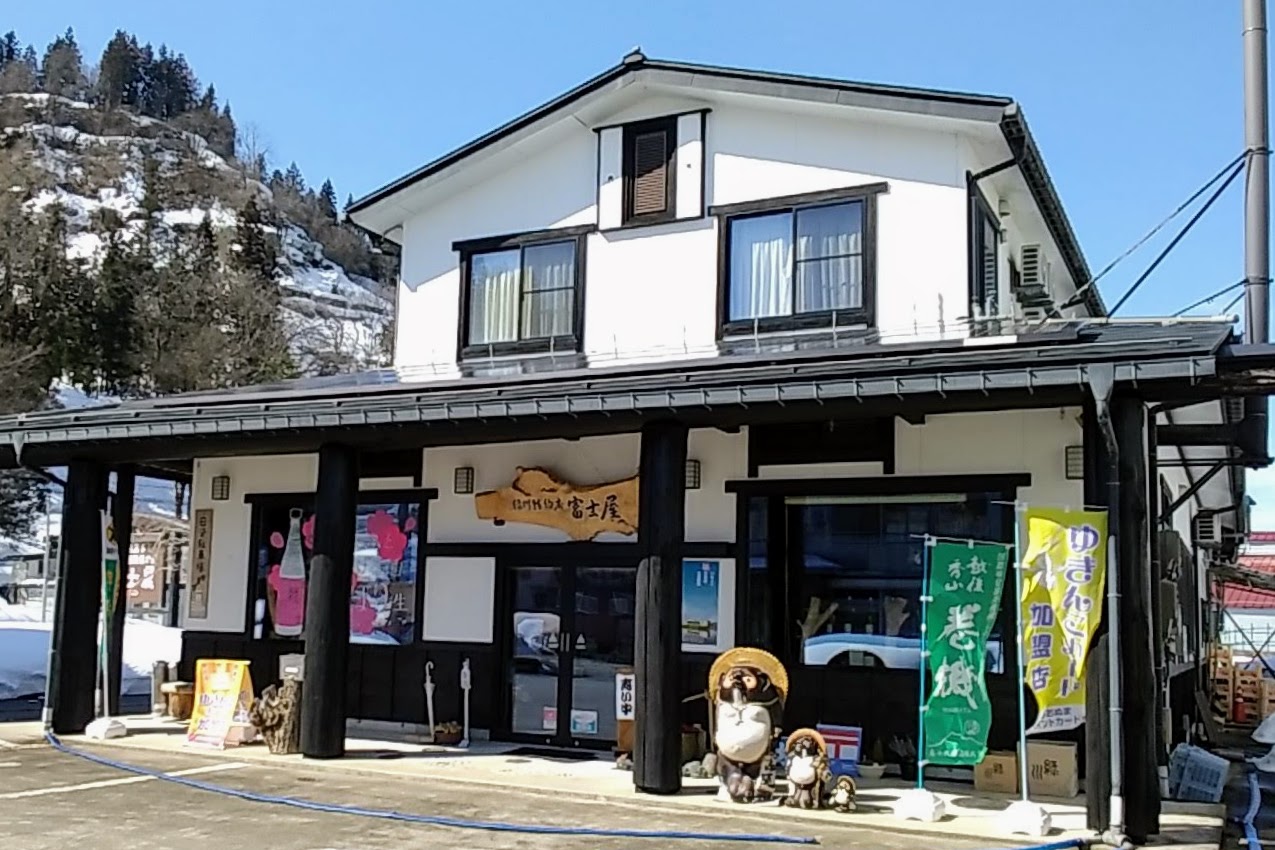
2026 Koide Station Front Event Information [Koide NI Oide Marche]
At Fujiya, located in front of Koide Station, the Koide NI Oide Marche will be held again this year.
The schedule is as follows. The event will be held from 10:00 AM to 3:00 PM.
- Sunday, July 12
- Sunday, August 9
- Sunday, September 13
- Sunday, October 11
- Saturday, November 14

Enjoy the Tadami Line [Board]
The Tadami Line is a train that runs through remote areas. Encountering the scenery you can only see by riding the Tadami Line. Let me introduce the kinds of scenery you can enjoy in each section.
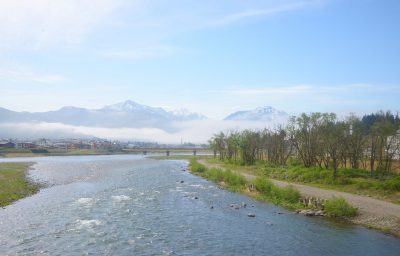
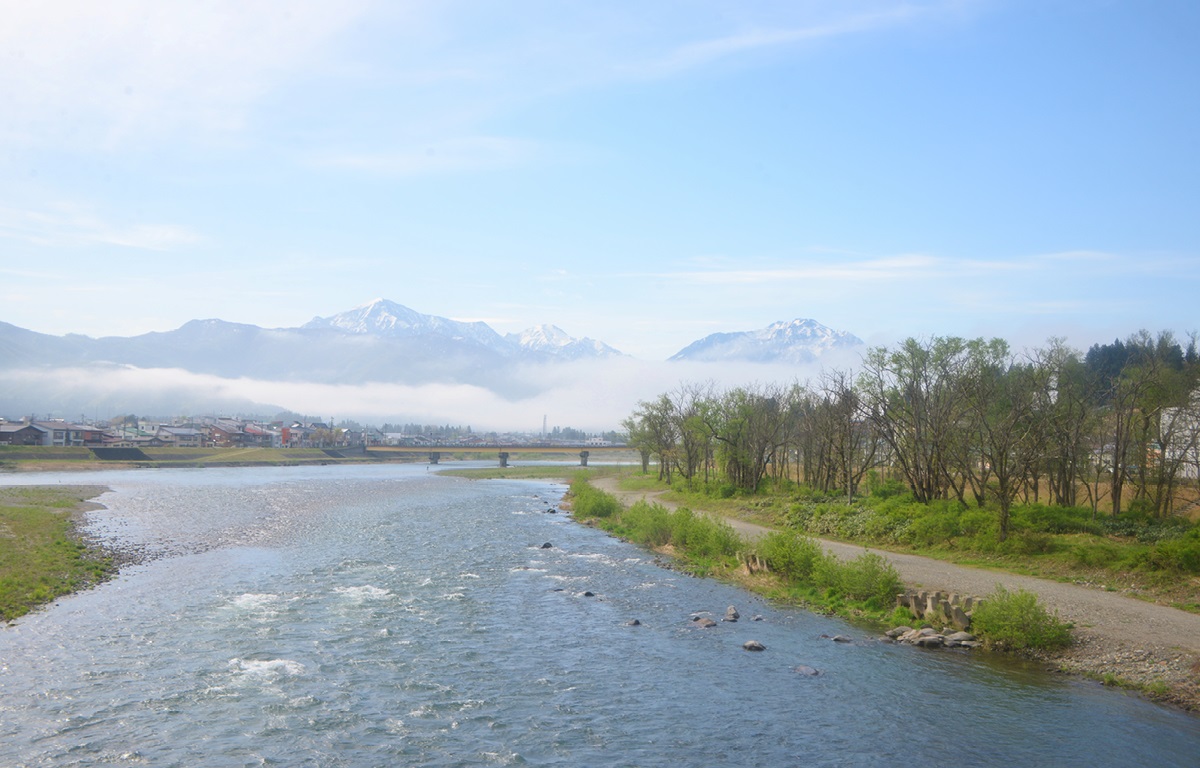
Shortly after leaving Koide Station, cross the Uonogawa railway bridge, and near the middle of the river, on the right side in the direction of travel, you can see the majestic Echigo Sanzan and the clear stream of the Uonogawa River.Just before Yabukami Station, you can see the countryside of Uonuma Koshihikari and Gongendo Mountain, which looks like a Bactrian camel, on your right.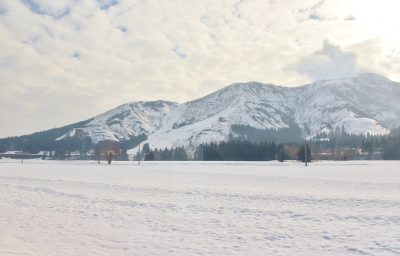
About a 4-minute drive from Echigo-Hirose Station, you can see Gongendo Mountain behind the rural landscape on the far right.By the time the snow melts, magnificent cherry blossoms bloom beside the tracks.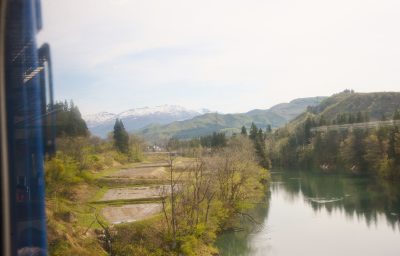
Starting from Uonuma-Tanaka Station, it takes 3~4 minutes to cross the railway bridge running parallel to the Hama River upstream of Okurasawa Dam.If you look down at the river, you might see waterfowl playing.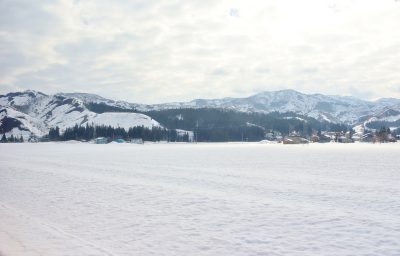
Starting from Echigo-Suhara Station and passing through the village, you can see wide rural landscapes on your right and the Uonuma mountains ahead and behind.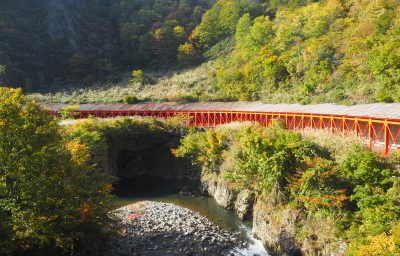
Leaving Irihiruse Station and passing the site of Kakinoki Station, a stunning view of a bright red snowshed and a gorge appears on your left.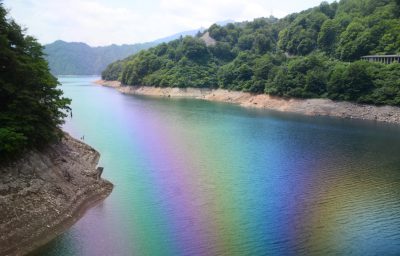
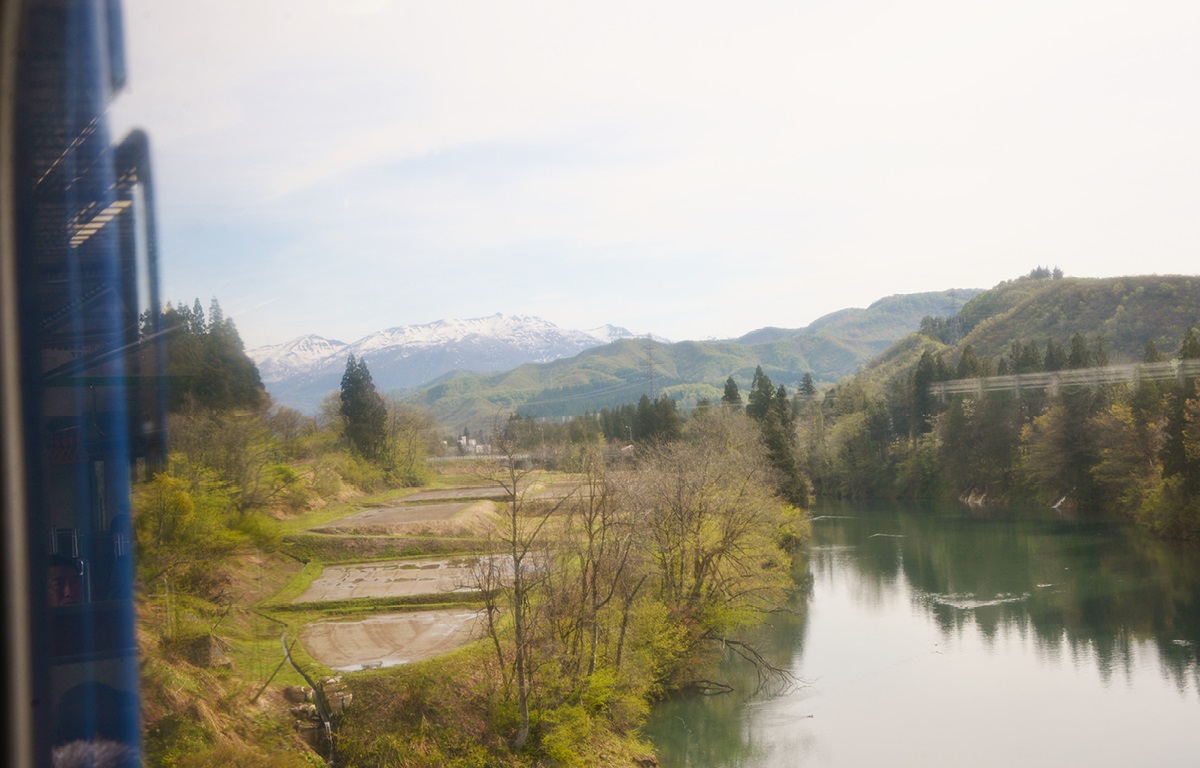
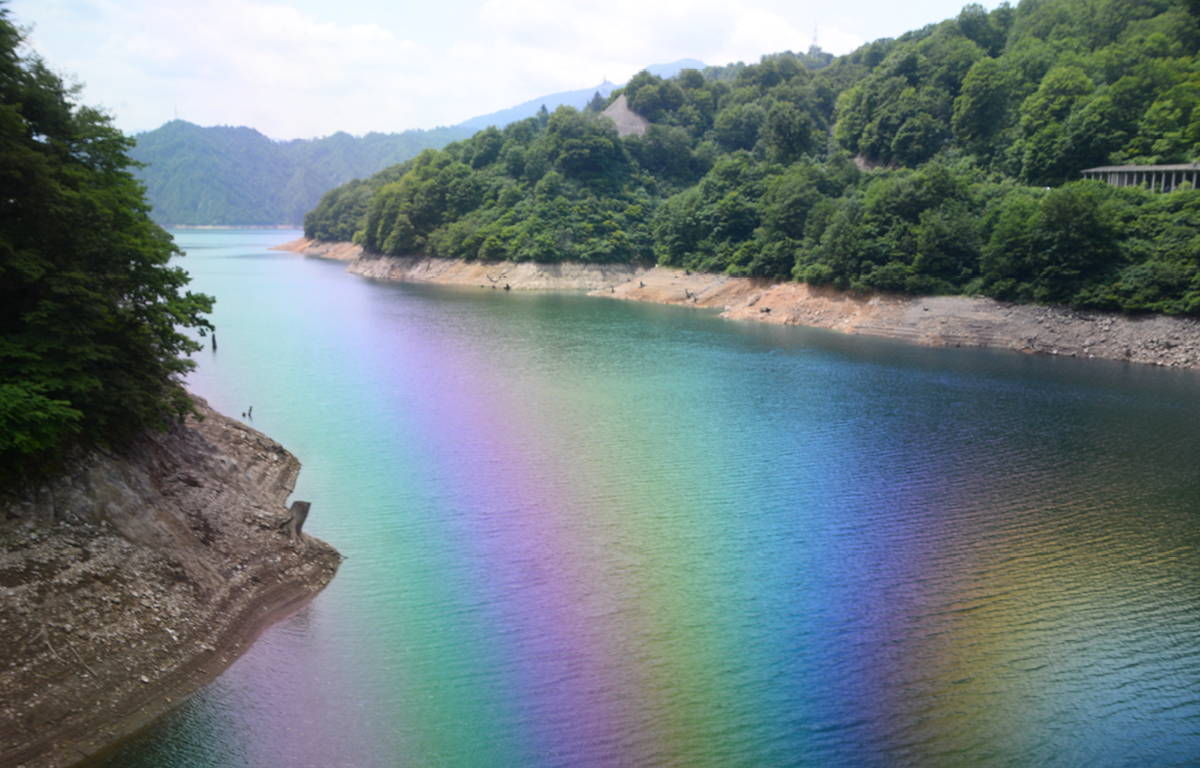
Beyond Oshirakawa Station, a series of railway bridges crossing beech forests and the Suezawa River appear one after another. During the fresh greenery and autumn foliage season, you can especially enjoy the gorge scenery.Entering Fukushima Prefecture, you come into view of the Tagokura Dam.
Enjoying the Tadami Line [View]
The views from inside the Tadami Line are spectacular, but simply enjoying the scenery along with the rich nature is one of the best ways to enjoy it. Let me introduce the kinds of scenery you can enjoy in each section.
Immediately after leaving Koide Station, cross the Uonogawa River. On the right side, you can see Mount Gongendo and the Echigo Three Mountains in the background.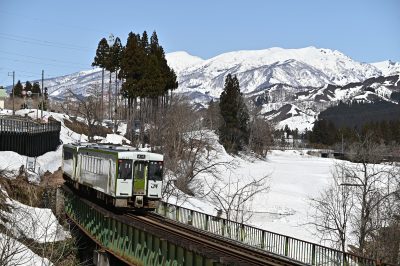
From the Okurasawa Rest Area along National Route 252, you can photograph the Tadami Line running over the railway bridge. The rest area also has restrooms.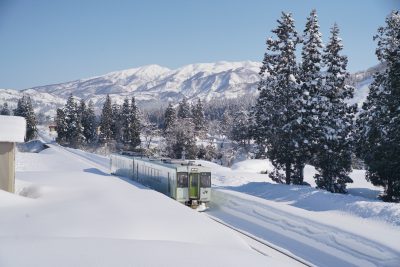
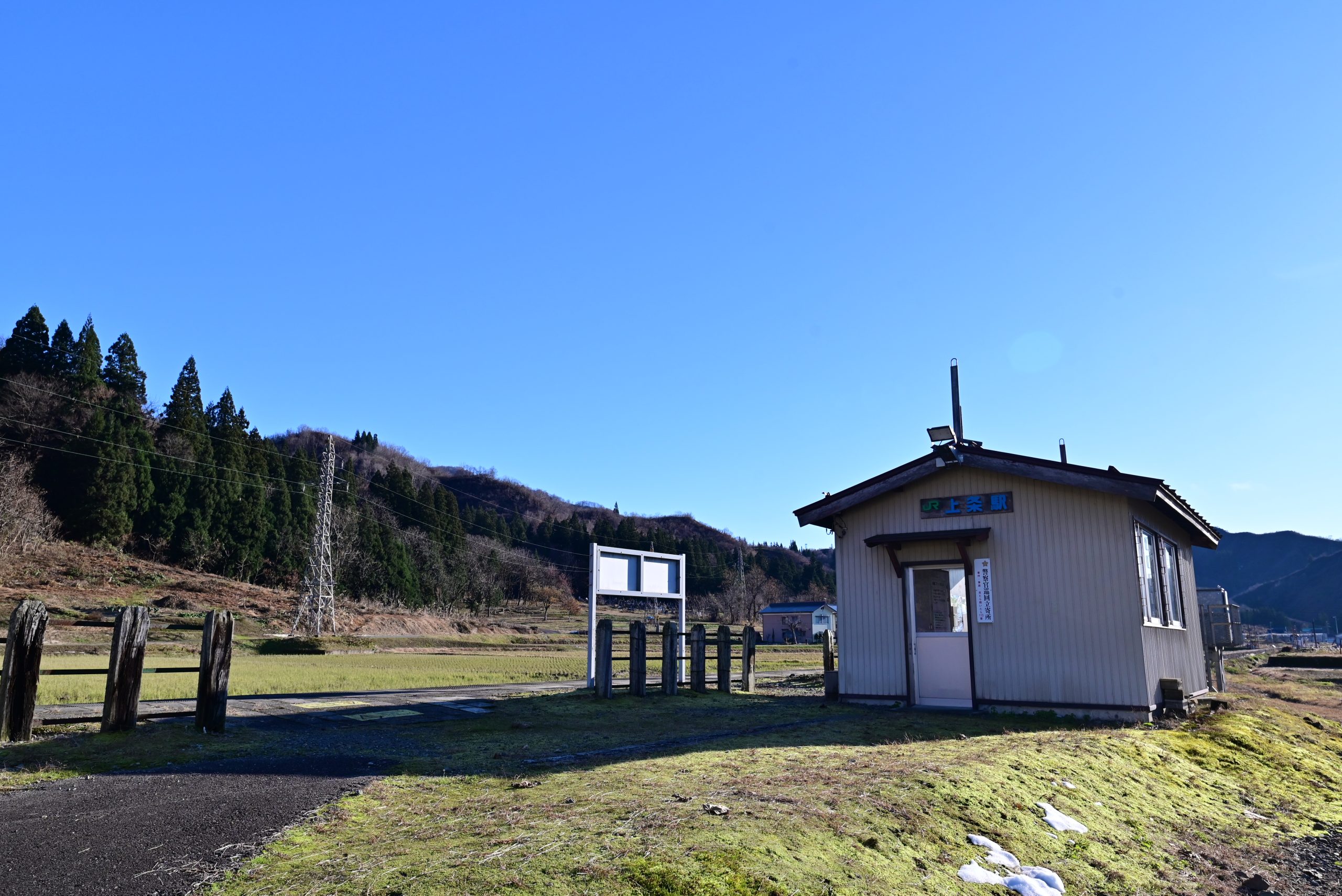
From the Hosono area, Mount Sumon can be seen to the northeast, and near Kamijo Station, rapeseed flowers bloom during the season.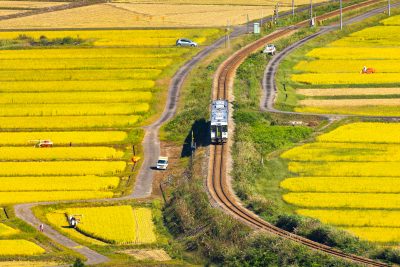
From Prefectural Route 346 near Kotobuki Onsen, you can photograph the Tadami Line with Mount Takamachi in the background. The surrounding landscape is pastory, and the golden terraced rice fields in autumn are especially beautiful.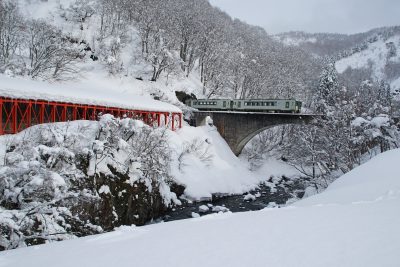
Heading toward Fukushima Prefecture on National Route 252 and passing Kakinoki Snow Shed, you can see the Tadami Line crossing an arch bridge, and after passing Nanamagari Snow Shed, you can enjoy the Amama River and Tadami Line together.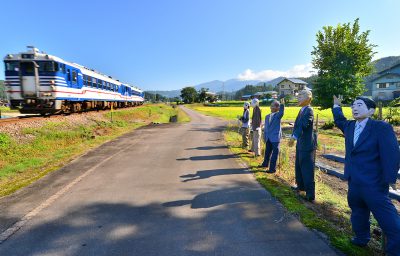
[Extra Edition]
In autumn, handmade scarecrows greet everyone along the line. It's a surprise to see where the scarecrow is. An autumn tradition you can enjoy both inside and outside the Tadami Line trains.
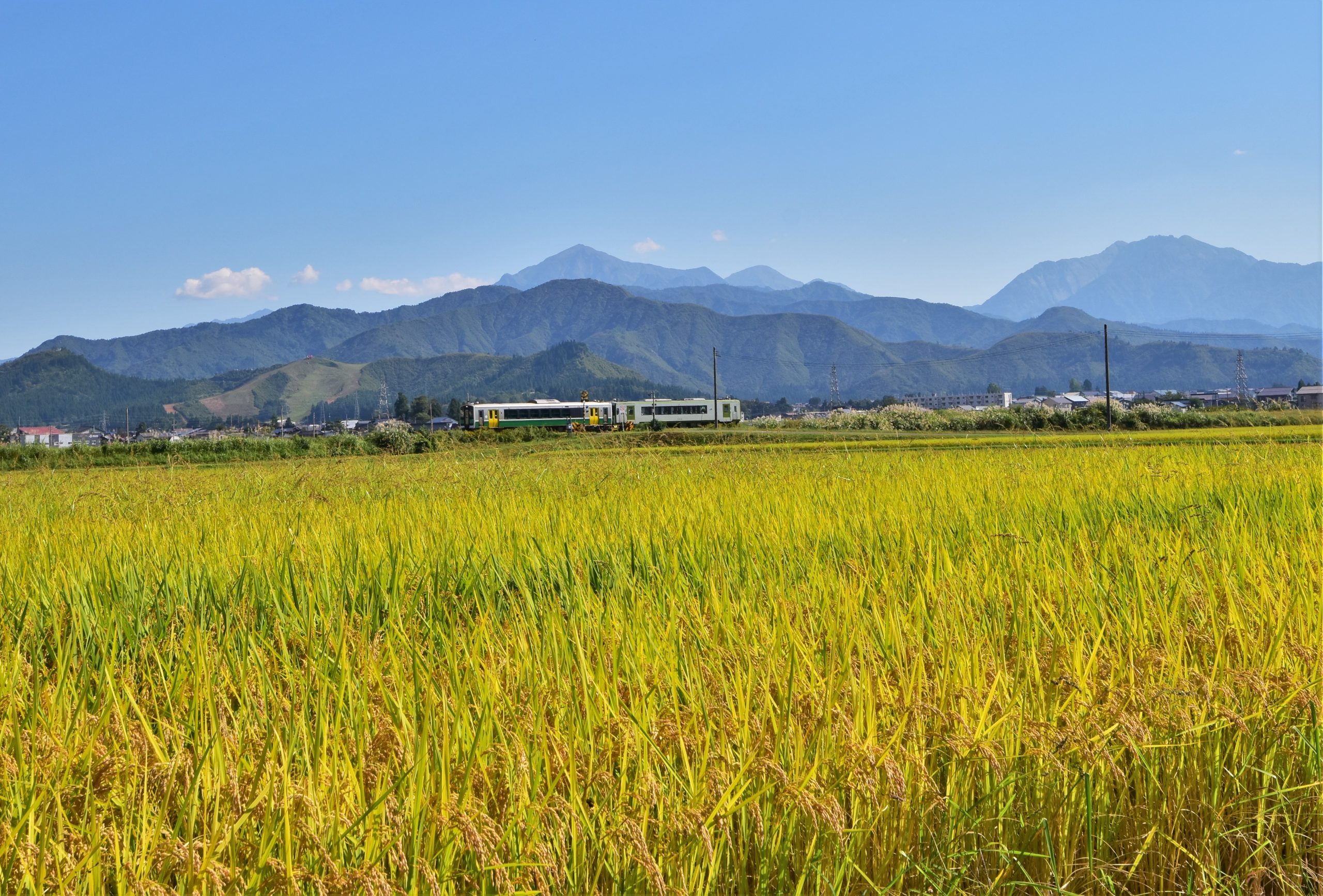
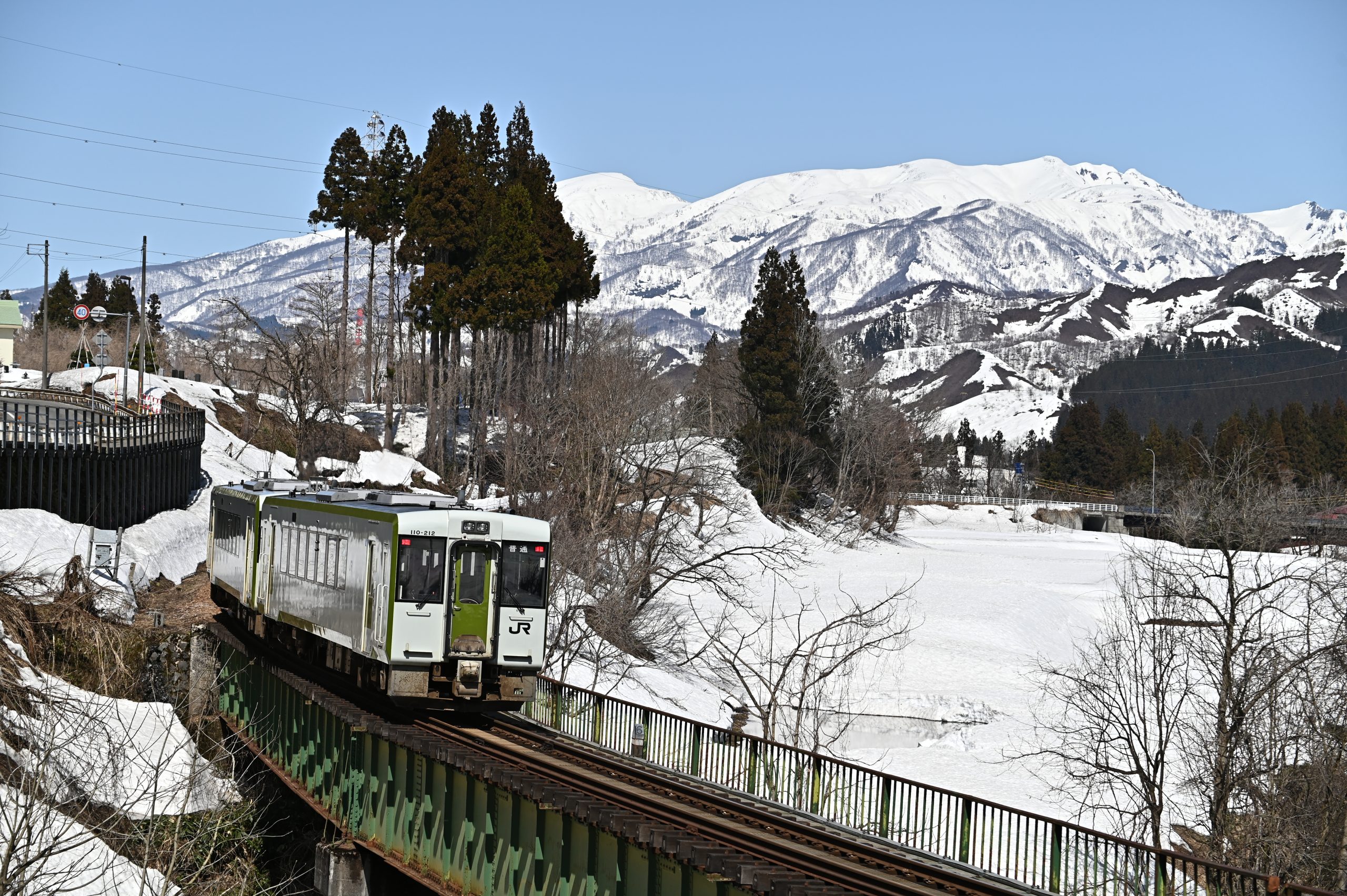
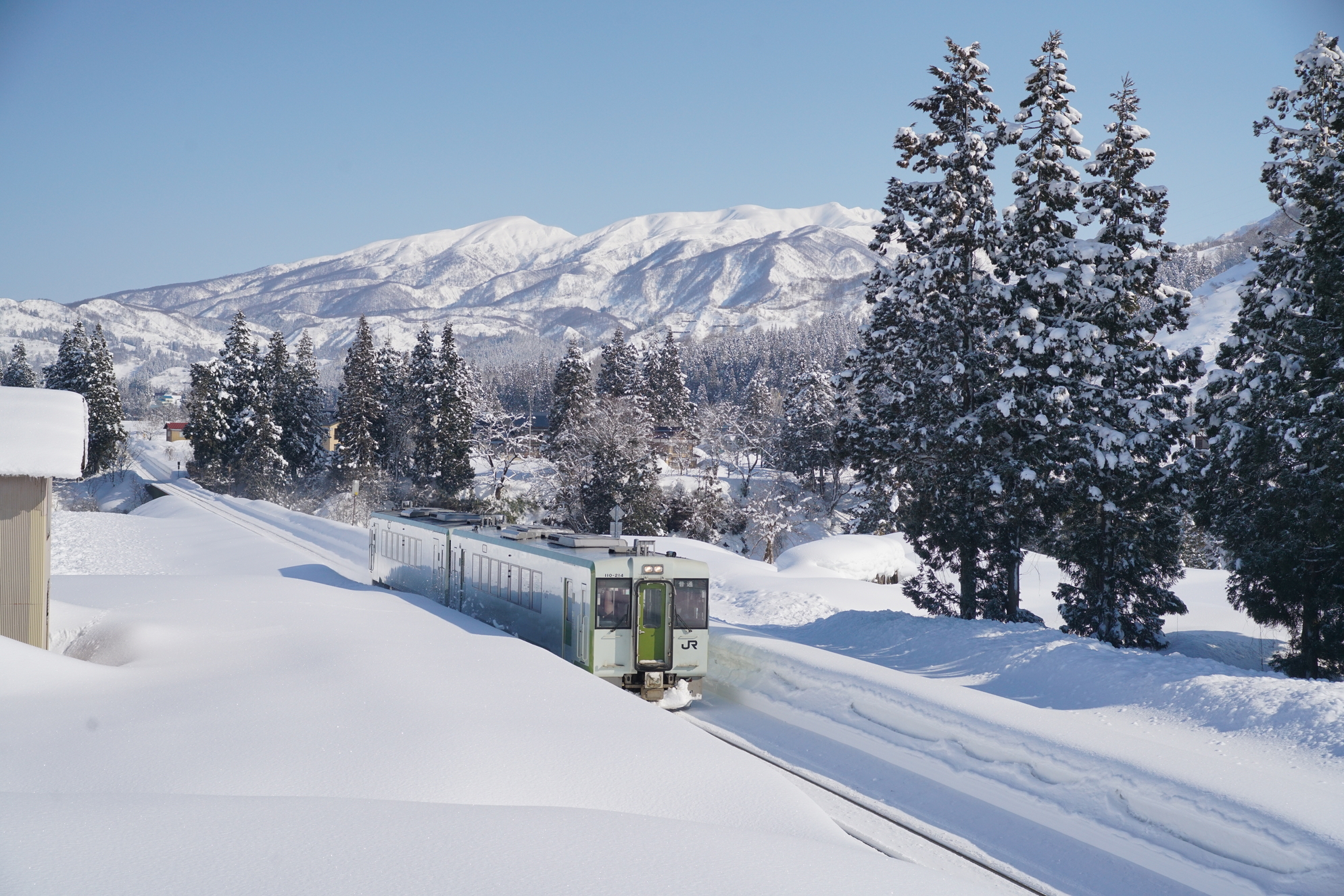
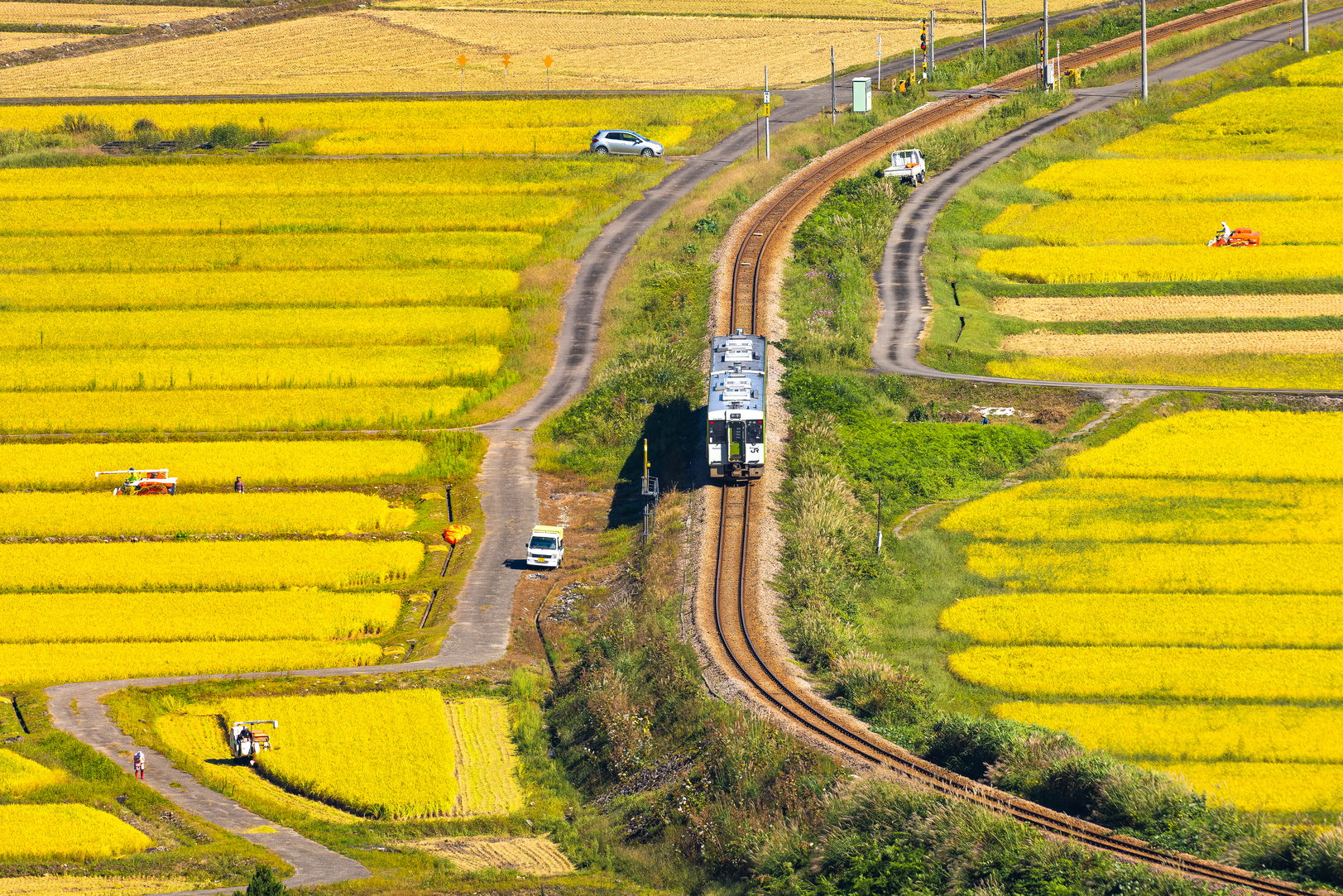
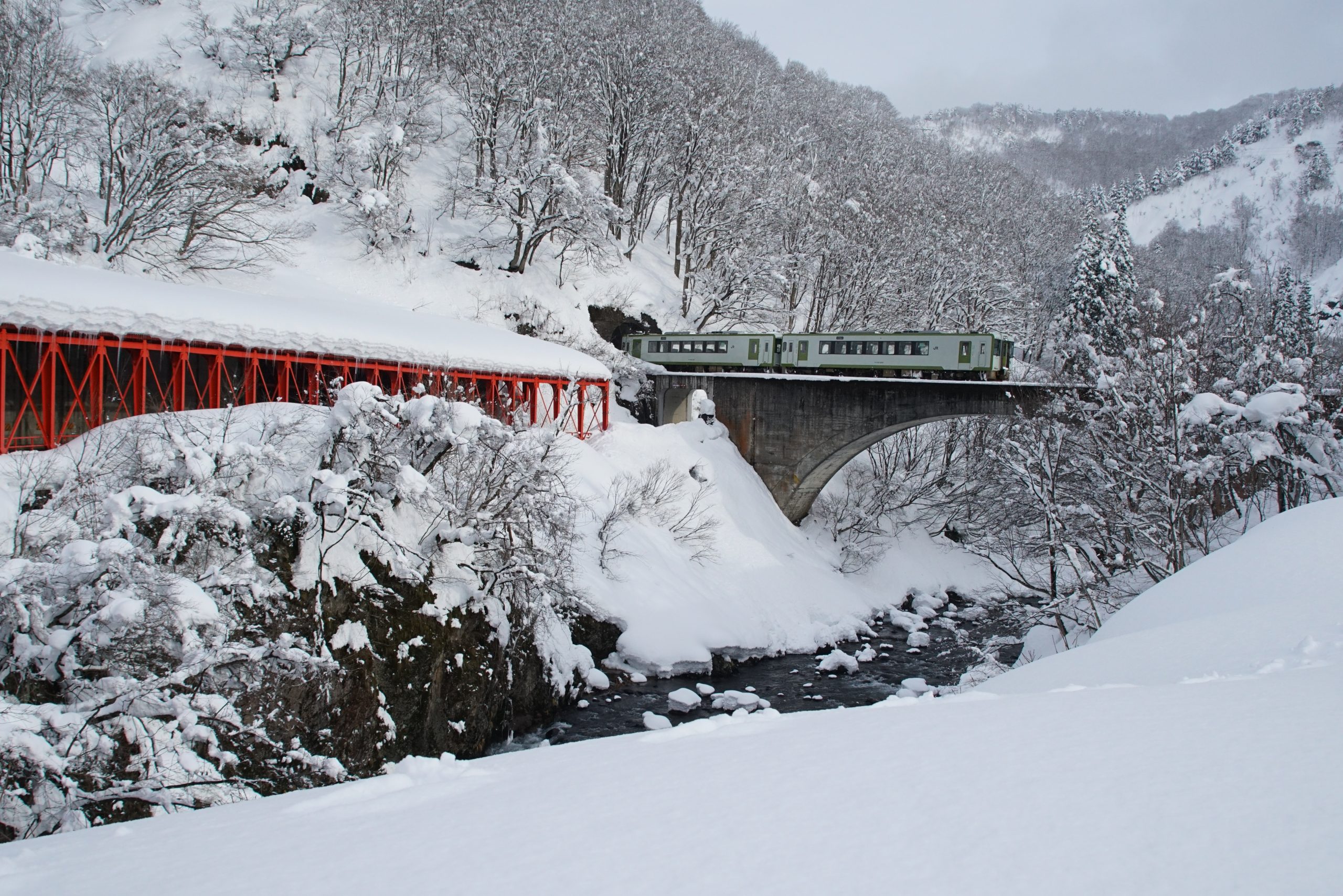
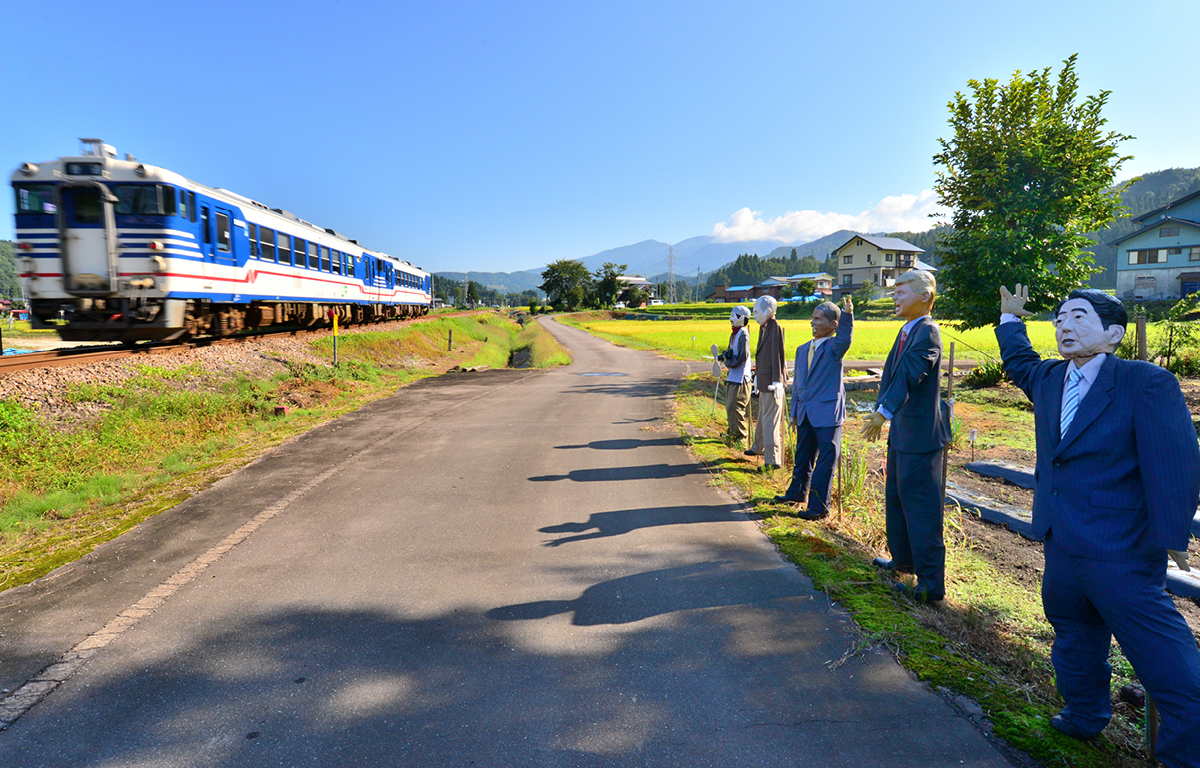
* The currently operating trains are the KiHa 110 and KiHa 120 series.
Tadami Line Map
timetable
Click here for information on parking lots around Koide Station
Download the timetable here→ JR Tadami Line Timetable (Revised March 14, 2026)


Related Articles
◆ For information on parking lots around Koide Station, click here
◆ For more information about Tadami Line Peel-off 2026, click here